
Introduction Cabernet Grapes
Imagine all the notes of a beautiful, deep, resonating symphony. Now picture that as a grape. That’s how cabernet grapes have come to be known. But cabernet grapes also strike a beautiful note in the wine-making process with their color and complexity.
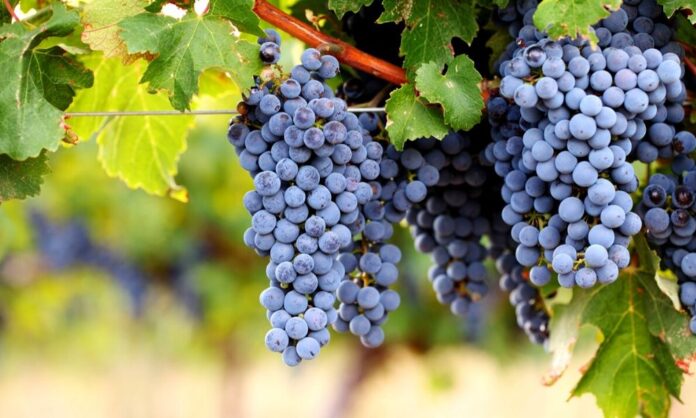
Clusters of cabernet grapes, on the outside, appear simple. But nature and time have constructed depths, structures, and characters on the inside. With the cabernet grape, it’s all about what lies beneath the surface.
A Grape with a History
Bordeaux, France houses some historic vineyards and is also the birthplace of cabernet grapes. Cabernet grapes came to be when a Cabernet Franc and a Sauvignon Blanc decided to cross, and the new grape would later revolutionize the red wine industry.
The birthplace of cabernet grapes may be located in France, but Europe is not their only home. California, Chile, Australia, Italy, and South Africa all have vineyards where cabernet grapes are found. The beauty of this grape is that it retains its identity, even when it is transported to different countries and climates.
Cabernet grapes’ balance between consistency and diversity is what makes them one of the most important grapes in the world.
A Berry with a Symphony’s Worth of Flavor
The name “dark symphony” is an accurate description of cabernet grapes. With them, wine makers and drinkers alike are able to experience songs, tastes, and aromas, each with their own layers and depths.
The grape skin is thick and deeply pigmented with anthocyanins, which can either act as a pigmentation or as a natural sunscreen. This may help protect the grapes from environmental stressors. There is also a high concentration of tannins inside the grape. This help gives the grape its structure and adds to its firm texture. The tannins may also create a sensation of boldness and slight grip which help describe the overall personality of the grape.
The combination of tannins, acidity, and tannins, also adds to the overall structure of the grape. Cabernet grapes also have a high degree of structure and personality. Cabernet grapes can also express a variety of other flavors including black currants, plums, blackberries, and may also express some hints of herbs or spice. This is also largely affected by the growing conditions including, soil and climate.
The growing conditions of the vineyard also may affect how grapevines express themselves. In warmer regions of the world, grapes may express riper and more rounded flavors. Grapes grown in cooler regions may express sharper and more herbal flavors.
The type of soil can also affect the personality of the grape. In cabernet sauvignon soil may be more concentrated and gravelly, while in other areas the soil may be clayey and full of vibrance.
The cabernet grapes exhibit the concept of terroir the best.
Growing Cabernet Grapes: Patience and Precision
Growing cabernet grapes is a time sensitive process, as the plants themselves are naturally vigorous, but like with many growing processes, too many clusters leads to a lack of quality.
Controlled prunings and selective harvests are typical, as the fewer, more expressive grapes show a huge flavor and structural balance improvement.
The thick skins of cabernet grapes show a huge positive trait for growers, as their minimally affected by diseases and the elements. Because of this, cabernet-grapes carry the potential to grow in various locations and maintain excellent quality.
From the Vineyard and Beyond
After their harvest, cabernet grapes have the opportunity to experience the many benefits that their complex structure and inner tannins have to offer, especially in the realm of early depth and aging.
Even as a fresh grape, cabernet shows a large personality. Its taste has a bold, some might even say complex, flavor of a structured tartness with an excellent fullness and richness of flavor.
This early transformation and potential is what gives cabernet-grapes such a large and cross-disciplined appreciation.
Grape Value
Cabernet grapes are filled with a potential world of flavor and also a high value nutritional profile, especially for their high content of polyphenol antioxidants, all of which are naturally a part of their defense system and structure.
These compounds give grapes their characteristic color and have widespread and significant biological properties. Together with the natural sugars and the organic acids, they provide a balanced fruit, which is rich and fresh.
Why People Around the World Love Cabernet Grapes
Unlike fads that come and go, the global love for cabernet-grapes alludes to their versatility and reliability over time. Cabernet grapes have secured their place amongst the most popular grapes due to their excellent quality no matter where they are cultivated.
Each winery provides a unique spin on the product, but the grape clearly maintains its cabernet identity. These qualities are extremely exceptional in the agricultural field.
Conclusion
Cabernet grapes demonstrate intricacies, strength, and class, which are not easily found in a single entity, let alone improve with time. Their journey began in Bordeaux, and their evolution since then illustrates a timeless elegance in every cabernet grape.
Like a nature’s dark symphony that relays a story played over time by the elements, each grape celebrates its beauty and balance.