

Introduction
Architecture chronicles the evolution of society across all cultures and lifestyles. Out of the many home styles to survive the test of time, the Tudor style is easily recognizable and appreciated for its charm and craftsmanship.
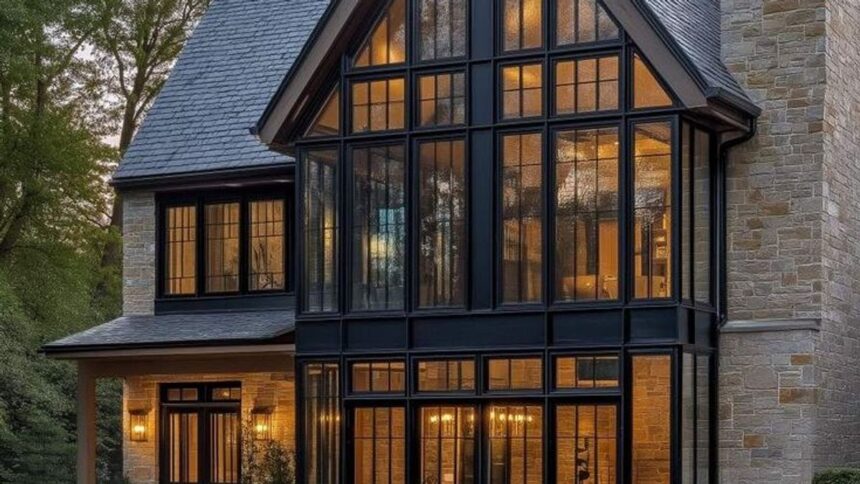
Boasting features of steep roofs, decorative timber, brick construction, and cozy interiors, Tudor style homes draw inspiration from medieval English architecture. With character cozy living spaces and old world charm, these homes will delight the homeowners who prefer classic design.
This guide covers everything you need to know about Tudor style homes from history to design.
What Are Tudor Style Homes?
Tudor style homes, as the name suggests, are homes inspired by the design of homes in Tudor period England (circa 15th-early 17th century).
During the early 20th century, the modern day Tudor style gained popularity as designers started to incorporate English home designs into suburbia.
Tudor style homes are easy to spot with their:
- Steep, pitched roofs
- Half timbered walls
- Brick or stone walls
- Long windows
- Big fireplaces
Interior spaces that are elegant and cozy
These homes inspire a feeling of craftsmanship and history.
History of Tudor Style Homes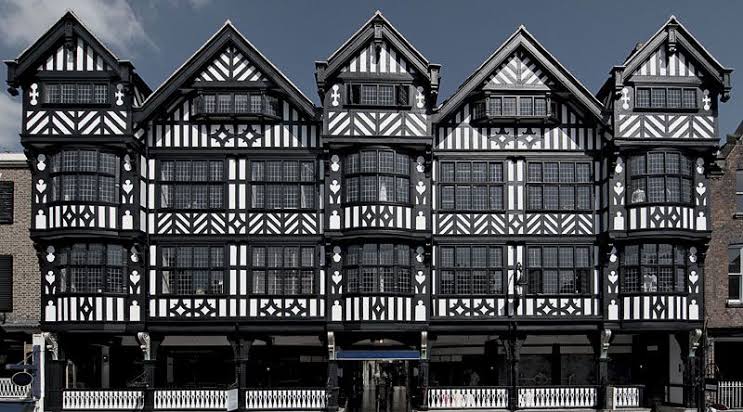
Tudor style homes date back to medieval England.
Timber frameworks with plaster, brick, or stone infill were common features of Tudor style architecture. Such constructions were designed for both sturdiness and the reflection of the craftsmanship of that age.
Around the turn of the 19th century and the early 20th century, architectural designers started to create new versions of Tudor style architecture. Known as Tudor Revival, the architectural style became quite popular in the United States among countries that were practicing Tudor Revival.
Home owners found Tudor Revival style architecture to provide:
Tradition
Sophistication
Reliability
Handicraft
Tudor Style Homes Architecture
Tudor style homes are beautiful because of their easily identifiable architectural details.
Steep Rooflines
Tudor style homes have a distinct appearance because of their steeply slopped roofs. Such roofs also assist in the shedding of rain and snow.
Half-Timbering
Tudor Architecture designs exhibit wooden beams that create a unique pattern on the exterior walls.
Brick and Stone Exteriors
Tudor homes are designed to provide a natural feel and can be constructed with combinations of brick, stone, and wood.
Tall Windows
Tall, narrow windows with many small divided panes are a common characteristic of Tudor homes.
Large Chimneys
Tudor homes also have large prominent chimneys because of the large fireplaces that were found in traditional Tudor homes.
Tudor Style Homes Interior Design
Tudor homes are meant to be warm and inviting.
Some common interior features are:
- Wooden beams
- Hardwood floors
- Stone fireplaces
- Built-in shelves
- Rich textures
Traditional furnishing
Tudor interiors are designed to be more comfortable and detailed than minimalist modern interiors.
Natural materials and classic designs make a living space warm and inviting.
Why Are Tudor Style Houses Liked?
Tudor style houses are liked because they beautifully combine unique and historic elements.
The reasons homeowners like them are:
Classic Homes
Tudor style houses keep being classic unlike some styles that go out of fashion.
Character
Tudor style houses, which are opposite of modern houses built in bulk, have unique details.
Inviting Homes
Houses that have bricks and wood and a fireplace are cozy.
Strong Architectural Style
Classic designs are all about Tudor homes.
Tudor Style Houses Today
Though the basis of Tudor homes is history, many houses that come after are designs that have been updated.
What Tudor Style Houses Have
Tudor style designs have history, and home style updates like; modern kitchens, updated windows, modern bathrooms, smart home systems and modern living spaces.
Tudor Style Houses and Landscaping
Tudor style homes look good with natural landscapes and so do Tudor style designs.
Popular choices are:
Stone pathways, flower gardens, mature trees, climbing plants, and traditional garden designs.
Tudor style designs look good with the home and its landscape.
Why Have Tudor Style Houses?
Having Tudor style homes can be beautiful, but they have unique ideas that can go away if ignored.
Consider Having:
Old Homes
Most of the homes are built a long time ago and may have modern styles and smart systems but may have old plumbing and electrical systems and insulation.
Exterior Designs
The Tudor style needs designs and maintenance for the brick, wood and roofing that are exterior.
Owners of older Tudor homes may be required to keep original Tudor style elements.
Tudor homes have a strong market presence because of the charming character these homes offer.
Tudor Style Homes and Real Estate Value
Tudor style homes create unique market presence and home value.
Some of the elements that contribute to a stronger market presence and home value are:
Original architectural details
Well-maintained craftsmanship
Desirable locations
Historical significance
Tudor Homes are charming and desirable because they have a unique market presence.
Environmental and Design Benefits
Many Tudor style elements benefit comfortable and cozy living.
Some of these elements are:
Thick walls
Natural materials
Thoughtful layouts
Fireplace designs
All of these contribute to a cozy and comfortable indoor environment.
Modern renovations can improve Tudor homes and cozy living even more.
Cultural Importance of Tudor Style Homes
Tudor style homes are more than an architectural element to our history and traditions.
Tudor homes capture the imagination of the past because of the craftsmanship and attention to detail.
Their popularity helps a classic design remain relevant.
Conclusion
Tudor style homes have a the paring together of history and elegance all in one home. Tudor style homes have architectural elements like steep roofs and decorative woodwork and bricks as part of the design. Tudor homes give a cozy and charming feel to all who visit.
While Tudor homes draw inspiration from traditional English architecture, these homes evolve with the times. Tudor style homes are an example of how good design, quality craftsmanship, and taking inspiration from the past are elements that create a lasting appeal.