
Introduction Yukata
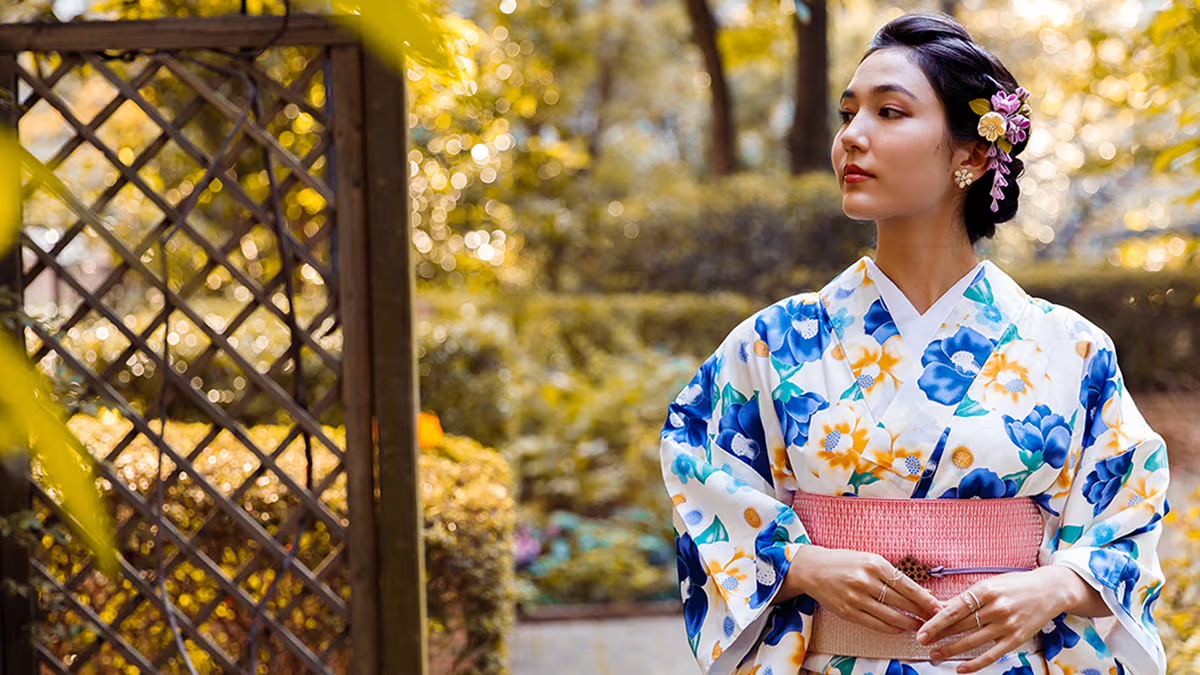
According to the name, a yukata means ‘bath clothes’, as it was historically a robe to be worn after a bath in a Japanese bathhouse. Now, it is a popular Japanese summer clothing choice for special events or summer festivals. Yukata is a signature piece of Japanese clothing; there are even Japanese fireworks festivals called hanabi taikai in which participants dress in traditional clothing of yukata. Hanabi means fire, and bi means to be lit.
The name yukata means ‘bath clothes’, and that is exactly what it was historically. Now, it is a popular choice of clothing for hot and humid summer days to wear at summer time festivals.
Origin and History of Yukata
Yukata originated in the Heian period, of 794 AD to 1185 AD in the Japanese empire. Aristocrats after their bath in a Japanese steam bath would wear yukata. It would not be until the Edo period, spanning the years 1603 to 1868, that yukata would be fashionable clothing for the everyday man. Yukata as we know it lost the exclusive quality of a bathhouse garment and became popular to wear in the summer.
Yukata is a cornerstone of Japanese tradition, and is worn year-round in celebrations and gatherings; summer is special for such gatherings.
Comparing Yukata and Kimono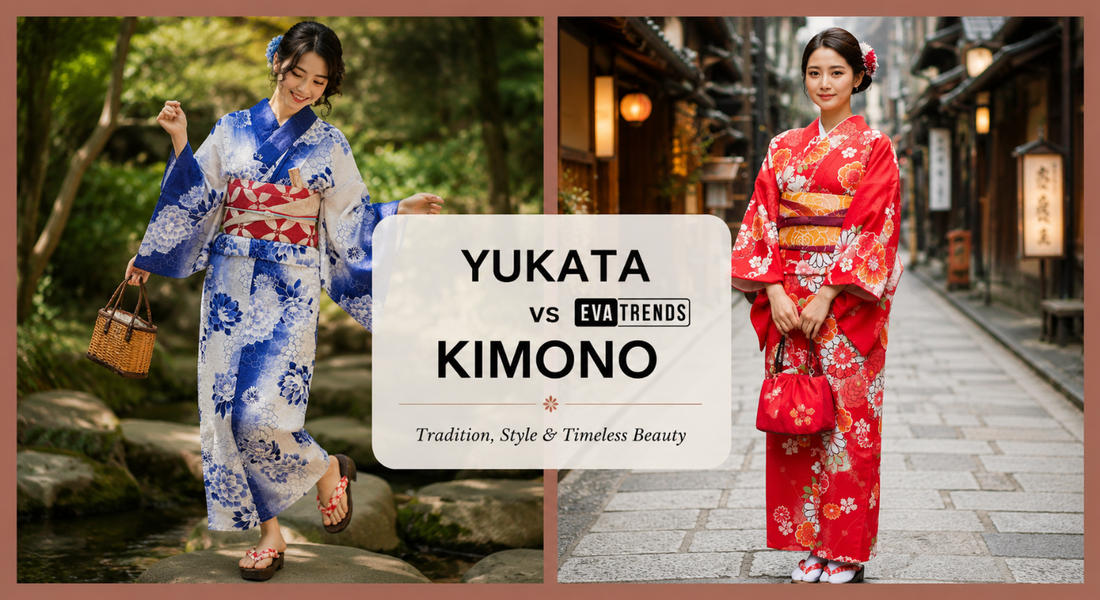
Although yukata and kimono have many similarities, here’s what distinguishes them:
Fabric: Yukata uses lightweight cotton fabric; kimono uses silk and other heavier fabric
Occasion: Yukata is for casual occasions; kimono is for formal occasions
Lining: Yukata is unlined; kimono usually has several layers
Use: Yukata is primarily used for summer festivals and leisure
Yukata is traditionally worn in the summer. Compared to kimono, yukata is much more simple and convenient for summer activities.
Where Is Yukata Worn?
Yukata is primarily worn for:
Summer Matsuri festivals
Hanabi (fireworks) displays
Bon Odori (street dancing) festivals
Onsen (hot springs)
Cultural tourism
Because of the hot weather, yukata is popular for festival events that take place outdoors and enjoy food, music, and fireworks.
How to Wear Yukata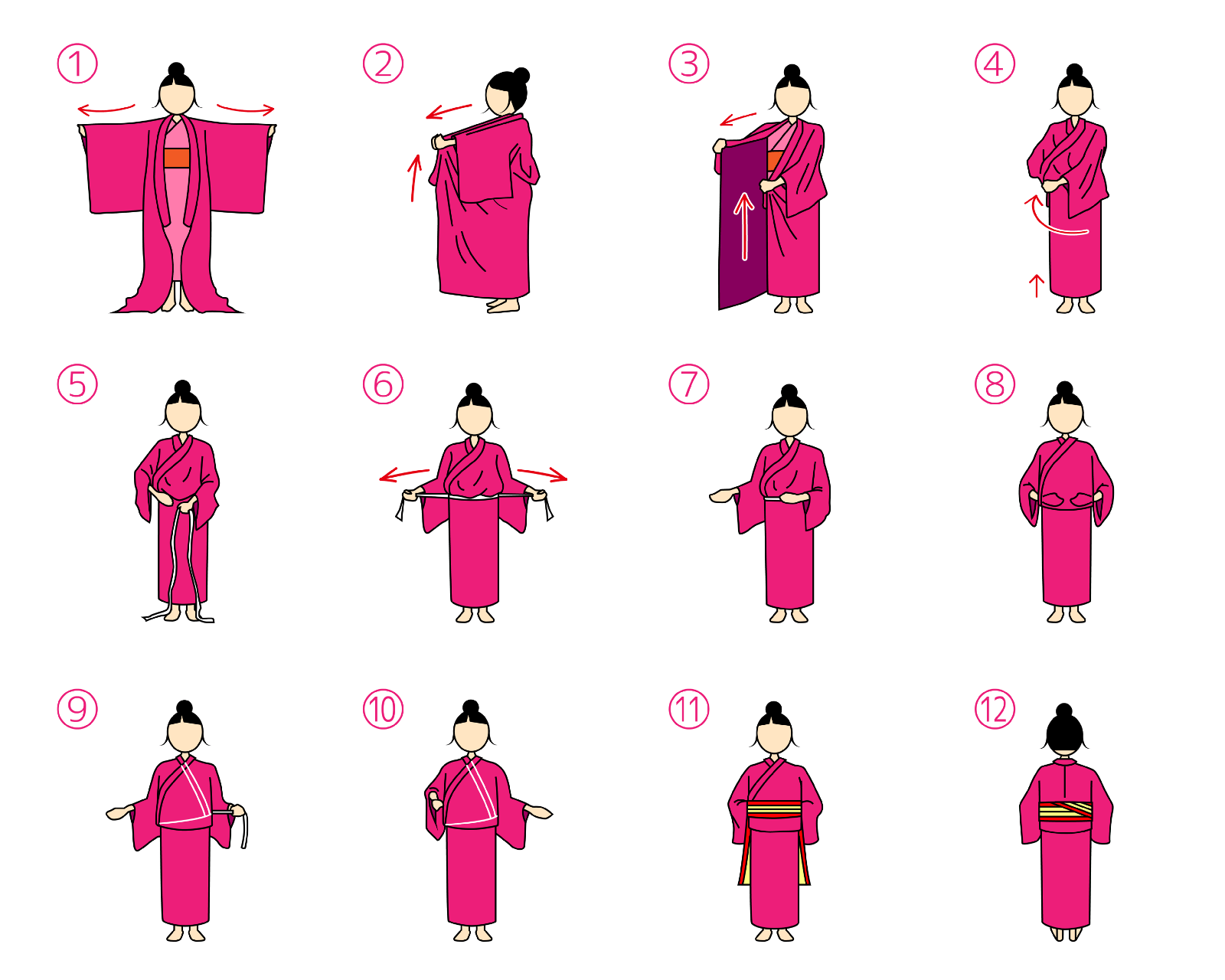
Yukata is very easy to wear.
Pull the left side over the right side
Adjust the length of the yukata to the ankles
Tie a wide obi (belt) around the waist
Yukata is simple; however, make sure you tie the obi in the right place as wrapping it right over left is reserved for funeral dress in Japan.
Yukata Cultural Importance
Yukata primarily shows off the simplicity of the Japanese lifestyle and culture during the summer season. Yukata offers a modern way for festival attendees to celebrate community and cultural heritage. For tourists, yukata is a great way to try on cultural clothing.
Contemporary Yukata Trends
Yukata is still common in Japan, and modern styles along with vibrant accessories are trending globally. Many tourists take advantage of rental shops across Tokyo and Kyoto. These shops incorporate yukata into the growing photo and cultural experience markets in Japan.
Overall Significance
The yukata is a gorgeous and significant part of both personal and regional history in Japan. Its simplistic design with a very traditional and elegant style crafted from a very breathable material serves as a marker of the cultural festivities held in the hot months.
The yukata, whether worn by residents or tourists, encapsulates a region’s beautiful seasonal contrasts while maintaining a traditional touch.