

Introduction
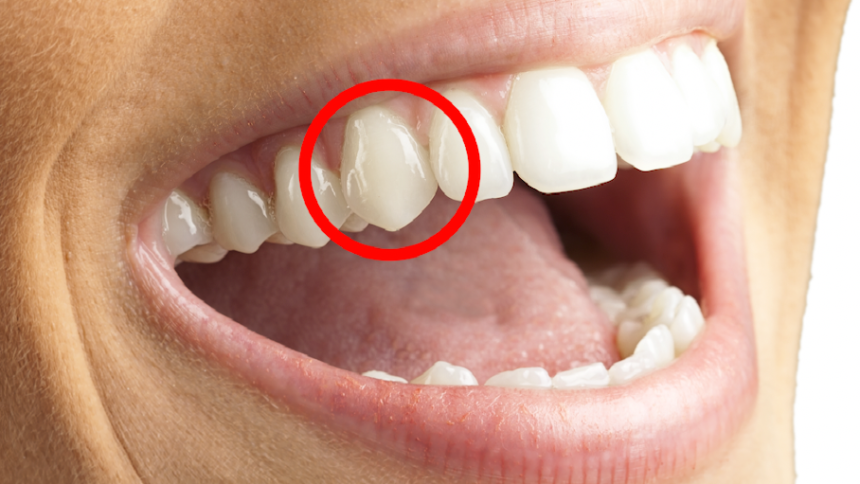
Canine teeth are positioned between the incisors and the premolars. While they may appear to be another set of pointed teeth, they are much more than that. canine teeth, like the rest of our teeth, have a story of their own. They have a story of function and evolution as well as precision by nature. They serve a higher purpose than what most individuals are aware of, both in humans and animals.
This article is going to explore the importance and the function of canine teeth and finally give them the credit they deserve.
What Are Canine Teeth?
Canine teeth are the pointed teeth that lie next to the incisors. There are four canine teeth in total (two in the upper jaw and two in the lower jaw). They are also called cuspids and can also be referred to as the “eye teeth.”
Compared to other teeth that serve the purpose of cutting and grinding, canine teeth that are pointed and designed to be firmly hold food during the chewing process.
The “anchors” of your bite; sharp and small.
The Hidden Function of Canine Teeth
Though most people do not eat raw meat like our ancestors did, canine teeth are still serve their purpose with function.
1. Tearing or Gnawing
Canines tear tougher foods. They help bite down and cut food, while molars grind. They also hold food in place.
2. Jaw Alignment
Canines help with alignment. They help in the sideways motion of the jaw with minimal wear on other teeth.
3. Facial Balance
Canines also help shape your lips and cheeks. Remove them, and facial balance starts to change.
Animal Canines
In the animal kingdom, canines are even more prominent.
Carnivores
Canines help survival. They help:
Deliver and hold powerful bites
Tear meat.
Weapons of nature
Omnivores
Canines in animals like dogs and bears serve dual purposes. They help eat both plants and meat, and also serve to protect.
Herbivores
Some plant eaters have diminished canines. In some, they serve a more social purpose rather than a feeding purpose.
The Evolution of Canine Teeth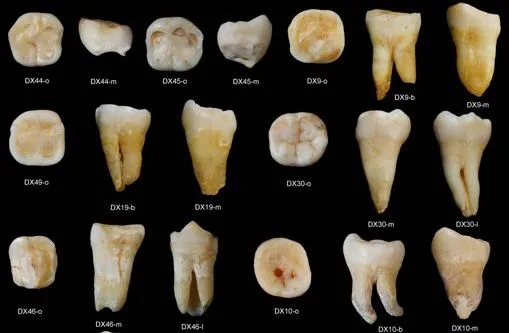
The evolution of human canine teeth is part of the greater evolution of the human species. Our early ancestors had larger canines that more closely resembled those of our primate relatives. They were useful for survival on a raw and defensively physical diet.
The development of tools and the use of fire and a more flexible and varied diet made large canines less necessary. As a result, our canines became smaller and less prominent.
The canines that we currently have are a reflection of our ancestry and our current diet.
Common Issues with Canine Teeth
Although they are the strongest teeth in our mouth, canine teeth can experience some dental issues. Common issues include:
Impacted canines – when a canine does not come through the gum line
Misalignment – an uneven and crooked position
Wear and erosion – caused from an uneven and constant bite
Like all the teeth in our mouth, canines are susceptible to gum disease.
Canines also assist in the alignment of your bite. Because of this, they are a focal point for many dentists during an orthodontic review.
Why Canine Teeth Matter More Than You Think
Canine teeth have many functions beyond the ability to chew food. Canines serve as structural guides for your bite and assist in balance across your dental systems. Without healthy canines, all of the other teeth in the mouth will experience uneven bite pressure, ultimately leading to a more worn and uncomfortable mouth.
Canines also add to the aesthetics of your smile. If canines are aligned and positioned in their proper place, balance will be achieved for the entire mouth, and the symmetry of the face will be improved.
Canines are considered the architects of your mouth.
Conclusion
Canine teeth are small yet play crucial roles in function and structure. They lead your bite, support your face and help you chew. They even connect you to your ancestors as part of your evolutionary structure.
From large canines in wild animals to the civilized version in humans, they show how even small structures can serve important functions.