
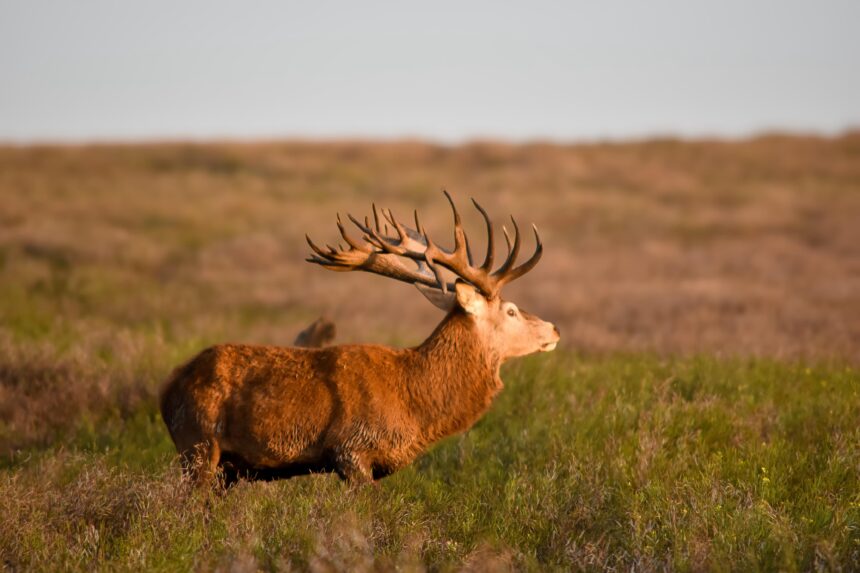
Introduction to Red Stag
The Red Stag has earned each of its titles. Kings of the Forest. Velvet Antlered. A ruler of the most majestic and commanding creatures in the natural world. It is of no surprise that there exists a regal aura the surrounds these creatures, dominating their habitat, the Red Stag and majestic antlers.
The Red stag has taken its rank of Forest King in the animal kingdom with majesty and pride.
The Identity of the Red Stag
The Red Stag is the male of the red deer and one of the largest of the deer species of Europe and portions of Asia and introduced populations in New Zealand and South America. Its name is derived from its reddish-brown coat that develops with the warm weather. The colder months coat the stag with a thicker and darker coat to insulate it. A stag can be easily identified by its antlers. The larger and more dominating they are the more menacing the stag truly is.
Velvet Antlers: Nature’s Living Crown
The antlers of Red Stags are perhaps one of the most fascinating and impressive things about them. When in the process of growing, their antlers are soft and covered in a velvety layer.
This phase is particularly important. Antler growth is accelerated and they can gain significant length over the course of weeks. Once the growth is complete, the dried velvet will shed, leaving behind hardened antlers.
Antlers serve multiple functions:
They can be used in the competitive battles between stags during the mating season
They can be used to establish a dominance hierarchy within a herd
Females can be attracted based on antler symmetry and size
Antlers can be considered weapons. But they can also be used to convey a visual message of power.
Habitat and Daily Life in the Wild
The red stag can adapt and thrive in multiple environments, ranging from open grassland to dense forest to mountainous. The environments that they prefer, however, contain a balance of both adequate cover and open fields.
They can be considered crepuscular. Meaning they are most active in the early morning and evening. The red stag can be considered cautious, on the lookout for any potential threat.
Diet: The Gentle Side of the Forest King
The red stag sustains itself almost entirely on plant matter and can be considered a strict herbivore. Its diet consists of:
Grasses
Herbs
Leaves
Tree bark
Seasonal fruits
During winter, when tougher plant material becomes the main food source (during winter, food can be particularly low and difficult to find), they eat the bark and twigs. It is believed that their grazing can alter the growth of flora in the forest and provide a vital balance.
The Rutting Season: Clash of Forest Kings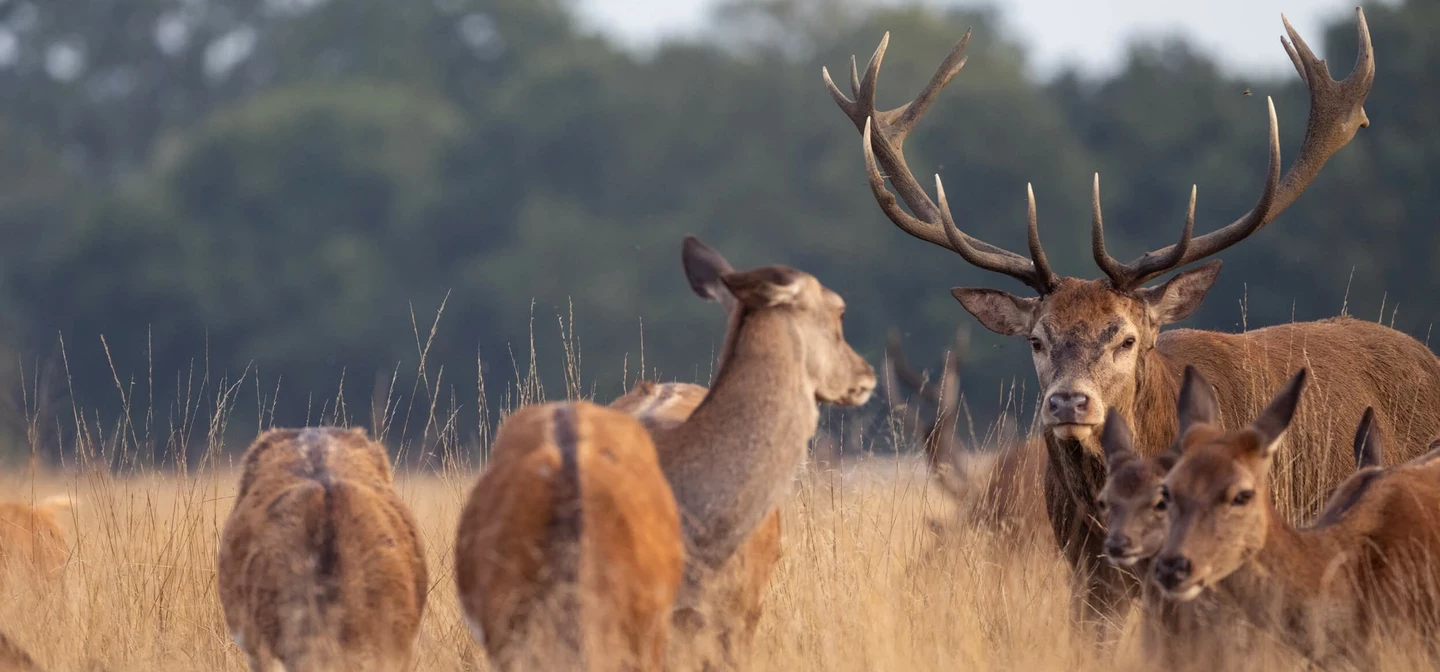
The rutting season marks the most intense time of the year for the red stag. In autumn, the stags fight for dominance, controlling their own harems of females.
A series of roars fill the forest, some as far as the eye can see. The roars serve two purposes, one as a warning and the other to demonstrate vocal strength to stags.
When roars aren’t enough, the stags go head to head. Stags lock their antlers and push against one another. This is a test of not only physical strength, but also of mental stamina.
The red stag that wins the test is the one that is allowed to breed.
Life Cycle of a Red Stag
The red stag begins life as a calf in the late spring. The mother hides them in the tall grass.
Even as a young stag, they have antlers which grow in complexity as age increases. Complete maturity is usually at ages of five to seven.
The lifespan of a red stag in the wild can be 15 to 20 years. This all depends on the quality of the habitat.
Symbolism and Cultural Legacy
The red stag has held deep historical symbolism across many cultures as a noble and spiritual animal.
Celtic tradition sees the stag as a guide between the physical and the spiritual. Today, stags appear in art and Celtic mythology and represent the wild and the free in national emblems.
Stags are a good representation of the free spirit of nature and also inspire respect for nature and for wildlife.
Stags and Modernity
Though many populations of red deer are healthy and thriving, red stags are threatened by humans and civilization. Managing conservation entails protecting and managing deer populations as well as protecting forests and the ecosystems that are impacted in the process of carrying out these plans.
Sustainable conservation and care of wildlife ecosystems will provide future generations with the opportunity to enjoy the beauty and elegance of red stags in the wild.
The red stag’s velvet antlers and dominating stature have earned him the well-deserved title of king of the forest. Red stags are the perfect symbol of balance, strength, and the stability of nature.
The life of a red stag is a beautiful story, and to understand this story is to understand a timeless and vital piece of nature.