
Introduction
A t bone accident is one of the most serious and frightening types of road collisions. It happens when the front of one vehicle crashes directly into the side of another, forming a “T” shape. These T Bone Accident are also known as side-impact collisions and most commonly occur at intersections where traffic flows cross paths.
The truth about a t bone accident is that it is often sudden, violent, and preventable. Understanding how and why these crashes happen is the first step toward improving road safety for everyone.
What Makes a T-Bone Accident So Dangerous?
Unlike front or rear collisions, a t bone accident strikes the side of a vehicle, which typically has less structural protection. While modern cars include side airbags and reinforced doors, the impact zone is still closer to passengers.
This makes these T Bone Accidents especially dangerous because:
-
The impact often occurs directly where passengers sit
-
There is less crumple zone to absorb force
-
The crash happens at high angles, increasing injury severity
-
Vehicles may spin or roll after impact
Even a moderate-speed collision can lead to serious injuries or fatalities in a t bone accident.
Common Causes of T-Bone Accidents
Most t bone accident cases are linked to human error rather than mechanical failure. These crashes often happen in a split second due to poor judgment or distraction.
1. Running Red Lights
One of the most common causes is ignoring traffic signals. When a driver runs a red light, they enter an intersection while another vehicle has the right of way, leading to a direct side-impact crash.
2. Failure to Yield
At stop signs or uncontrolled intersections, drivers must yield properly. Misjudging distance or speed can easily result in a collision.
3. Distracted Driving
Using a phone, adjusting music, or talking to passengers can cause a driver to miss traffic signals or approaching vehicles.
4. Speeding
High speed reduces reaction time. Even a small delay in braking can result in a t bone accident with severe consequences.
5. Drunk or Impaired Driving
Alcohol and drugs significantly affect judgment and coordination, making intersection crashes far more likely.
The Human Impact of T-Bone Accidents
Beyond damaged vehicles, a t bone accident often changes lives in an instant. Victims may suffer physical injuries, emotional trauma, and financial stress.
Common injuries include:
-
Head and brain injuries
-
Neck and spinal damage
-
Broken bones
-
Internal injuries
-
Long-term mobility issues
In many cases, recovery is long and difficult, requiring medical care, rehabilitation, and emotional support. Families are also deeply affected when accidents result in serious injury or loss.
Why Intersections Are High-Risk Areas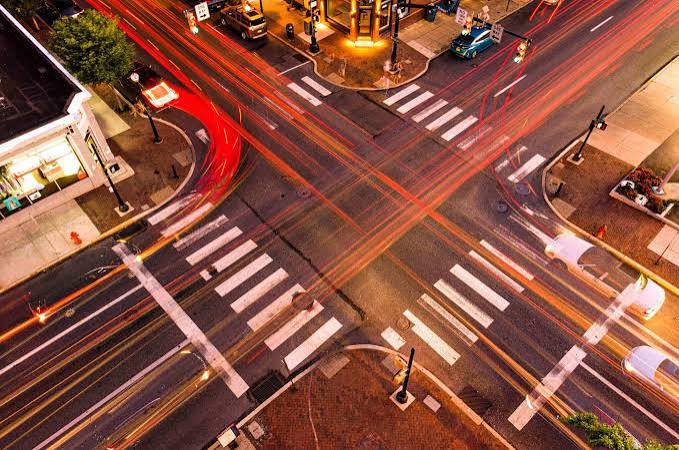
Most t bone accidents occur at intersections because they are points where multiple directions of traffic meet. Even with traffic lights and signs, mistakes can happen.
High-risk factors include:
-
Poor visibility due to buildings or parked cars
-
Driver impatience during busy traffic
-
Confusion over right-of-way rules
-
Sudden changes in traffic signals
This is why intersections require extra caution from all drivers, regardless of who has priority.
Preventing T-Bone Accidents
While not all accidents can be avoided, many t bone accident situations are preventable with safe driving habits.
Stay Alert at All Times
Always focus on the road, especially when approaching intersections.
Obey Traffic Signals
Never rush through yellow or red lights. A few seconds of patience can save lives.
Slow Down Near Intersections
Reducing speed gives you more time to react to unexpected movements.
Avoid Distractions
Put your phone away and avoid multitasking while driving.
Look Both Ways
Even when you have a green light, check for vehicles that may not stop in time.
Drive Defensively
Assume other drivers may make mistakes and be prepared to react safely.
Legal and Insurance Consequences
A t bone accident often involves determining fault, which plays a major role in insurance claims and legal outcomes. Typically, the driver who violated traffic rules—such as running a red light or failing to yield—is considered responsible.
However, investigations may involve police reports, traffic camera footage, and witness statements to determine what really happened.
Conclusion
The truth about a t bone accident is that it is often preventable but highly dangerous. These crashes usually happen due to simple mistakes like distraction, speeding, or ignoring traffic rules. Unfortunately, the consequences can be life-changing.
By practicing safe driving habits, respecting traffic signals, and staying alert at intersections, drivers can significantly reduce the risk of these severe collisions. Road safety is not just a rule—it is a responsibility that protects everyone on the road.