
Introduction
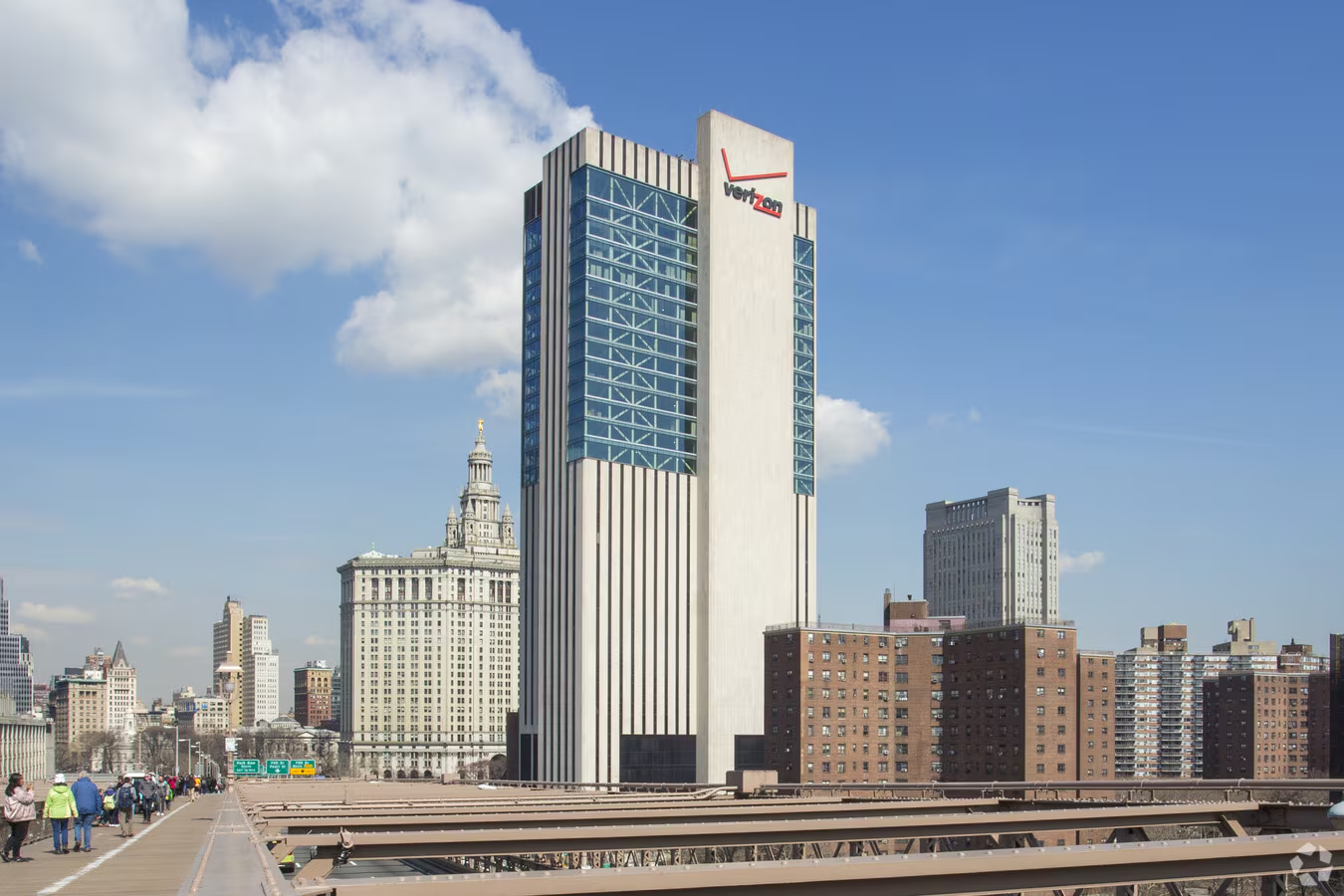
375 Pearl Street New York is unlike most skyscrapers in the Lower Manhattan. Many designs of the city’s skyscrapers seek to incorporate an aesthetically pleasing, eye-catching element. However, this building is all about utility. Designed for functionality, it has transitioned from a telephone switching center to a digital data infrastructure center to accommodate a world that needs it.
375 Pearl Street New York is also the story of a city and of a world. It is the story of development of a city and world, and of technologies evolving and adapting. It is the story of the the infrastructure and the systems that remain hidden and facilitate the interconnectedness of a global city.
Original Purpose and Construction
375 Pearl Street New York was built in the 1970’s as a switching facility for the New York Telephone Company. The building’s construction was completed in 1975.
The 1970’s was a time when communication systems and networks were much more physical than they are now. Routing a telephone call required the use of large machines, and entire buildings were dedicated to housing this equipment.
Unlike typical office skyscrapers, this building was not designed to house employees and office spaces. This building was designed to house heavy machinery, cables, and complex switching systems that supported New York’s telephone network.
Industrial and Functional Design
The fortress-like design of 375 Pearl Street New York is pretty distinguishable. The building is 32 stories tall and made of mostly reinforced concrete with few windows.
Unlike many buildings, the design is not style driven but necessity driven. This building required:
Structural support for heavy telecom equipment
The need for stability meant that no external interference was required
The design incorporated large, open spaces for the floors
The design incorporated large, open spaces for the floors
As a result of these needs, the building has a sharp, monolithic design. This design is unconventional compared to the glass and steel towers of Manhattan, but it adds variety to the city’s skyline.
As many view it, the design is from a time when functionality was prioritized over aesthetics.
Changing Technology and Decline of Original Use
The latter half of the twentieth century saw a rapid change in modern technology. Large physical switching centers became obsolete with the advent of digital communications and fiber optics.
By the late twentieth century, 375 Pearl Street New York was no longer the vital component of the telephone system it once was.
In this new situation, what is to be done with an enormous structure of this sort that is located in the center of New York?
Instead of demolishing the building, the structure was repurposed instead.
Transforming into a Data Center Hub
The largest change to 375 pearl street new york, is that it is now a modern data center. The building now helps fulfill the digital infrastructure, cloud, and internet needs of consumers.
It was originally designed, perhaps unintentionally, to fulfill this purpose. The same aspects of the building that previously accommodated telephone systems now accommodate building systems and digital networks:
– Multi-ton telephone equipment could be accommodated by the load capacity of the floors.
– The power systems used to support the telephone systems now can power computer systems and networks.
– The security and access control systems used to support the telephone systems can now be used to control access to computer systems and networks.
– Lastly, the telephone networks that could be connected to the building serve the data networks that now connect the building.
All of these features allowed the building to remain relevant and useful in a radically different technology era.
Rather than directing telephone calls, the building now helps direct flows of digital data that support internet services, global financial systems, and corporate communication networks.
Role in Today’s Digital Systems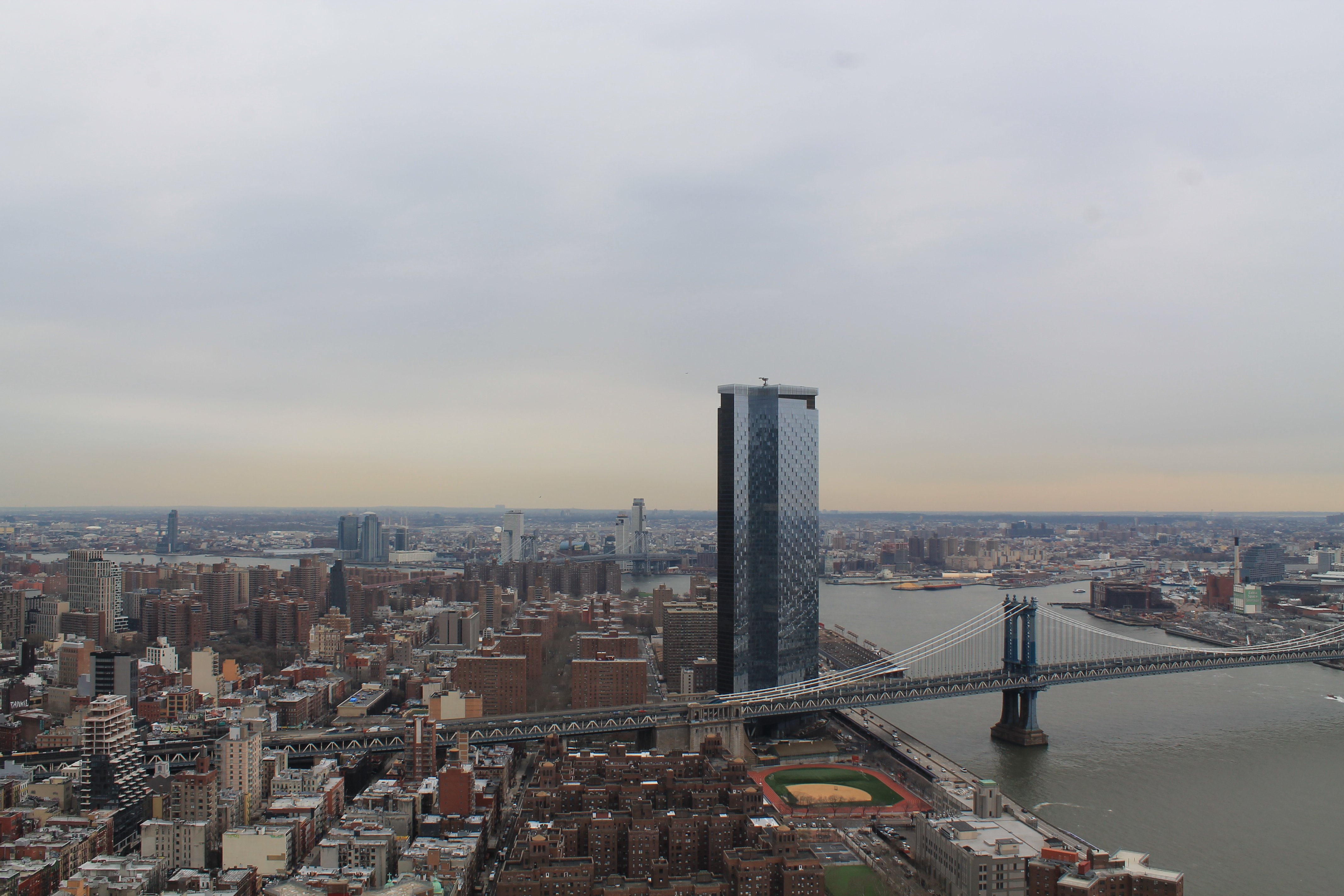
375 pearl street new york, now functions mostly in an unnoticed capacity for the majority of people. It is now essential for the systems that connect the city.
These systems mainly include:
– Cloud platforms
– Internet Services
– Financial Systems
– Data and Communication Networks
Because of this, it is part of the essential network systems for one of the most densely populated cities in the world.
Public Opinion and Architecture
375 pearl street new york, has disturbed, and at times, inspired architecture. It has been described as one of Manhattan’s least pleasing buildings, all heavy and without windows, but perhaps for this very reason, it is a building that fully embraces its function and exhibits architectural honesty.
Unlike fancy skyscrapers, this building shows how infrastructure used to be valued over aesthetics. Now that it has been remodeled into a data center, its purpose is judged over its appearance.
Changes and Potential
What is to come of 375 pearl street new york is connected to the progress and expansion of all things digital. With the need of the modern world for faster internet and more data storage, this building’s purpose will be further advanced.
Not to mention, the advancements in making data centers more energy effi8cient also means that this building will continue to modernize. Being able to keep pace with the times is what makes a building relevant for a long time.
Closing Thoughts
The evolution of 375 pearl street new york shows how changes in architecture can meet the demands of modern infrastructure. Constructed as a telecommunications building in the 1970s, it has successfully transformed into a modern data center.
The building’s design may not follow the standards of beauty; however, it has always achieved its purpose of being functional and strong. It also deserves to be noted that this building was a telecommunications center in the 1970s, and now, it is a modern data center, therefore, serving the evolving needs of the society and the technology of the time.