
Introduction
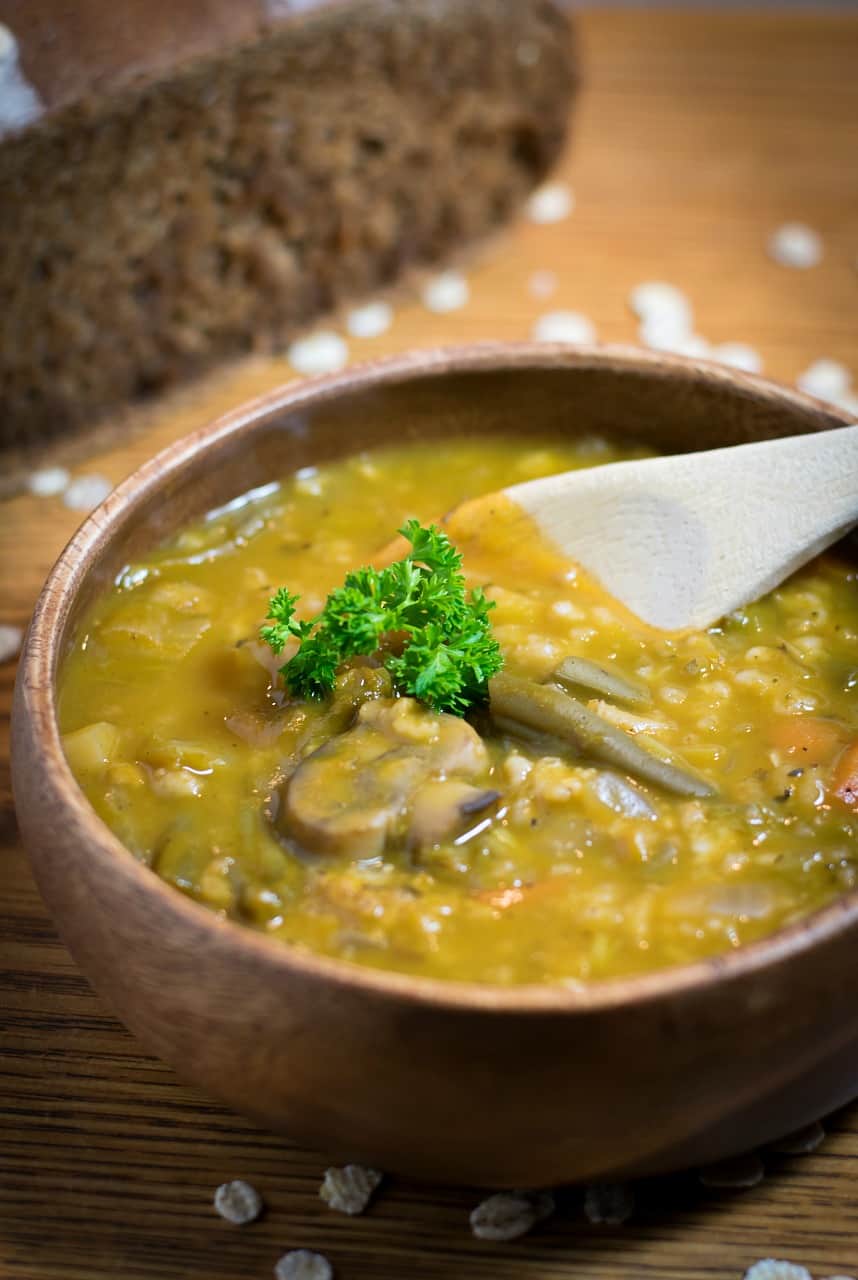
Food is a great way to gain insight into the history of a society and explore its resources and traditions. One of the earliest significant foods discovered is pottage. It is a simple, yet, wholesome dish that many societies discovered and prepared for centuries.
- Introduction
- The History and Origins of Pottage
- Pottage during the Middle Ages
- Pottage’s Common Ingredients
- Vegetables
- Herbs and Spices
- Meat and Fish
- Different Varieties of Pottage
- Vegetable Pottage
- Pease Pottage
- Grain-Based Pottage
- Meat-Based Pottage
- Cultural Importance of Pottage
- Pottage in Today’s Society
- Reasons for the Continued Popularity of Pottage
- Final Remarks
Pottage is flexible and nourishing. It has provided a meal for a variety of people, communities and families throughout history. It is made by slowly cooking meat and vegetables and/or legumes and grains in a broth. This dish is a great representation of the ability to craft a wholesome meal out of simple and unprocessed ingredients.
The aim of the following is to explore the significance and history of pottage, the various modern versions and the ingredients.
What Is Pottage?
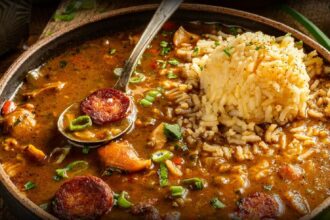
Pottage is a thick stew or soup made by simmering food and making a hearty and wholesome broth.
Pottage is extremely flexible, unlike many modern recipes that are inflexible and have specific ingredients.
Pottage can contain:
Grains
Vegetables
Legumes, beans
Herbs, spices
Fish or meat
Water or broth
Because it is simple, many people have always been able to make a wholesome meal with whatever foods were available in the pottage form.
The History and Origins of Pottage
Pottage, having thrived since antiquity, has its origins in early farming communities.
Settling down and beginning to cultivate and harvest crops, made it possible for early georgians to create easy and nutritious meals by combining and boiling ingredients with water.
In ancient times, early pottages were made with the following ingredients:
Barley
Wheat
Lentils
Peas
Root Vegetables
Pottage became increasingly popular in medieval Europe. It was a staple for urban and rural communities and a good means of providing affordable energy and nutrition.
Pottage during the Middle Ages
In the middle ages, pottage was commonly eaten.
People relied on it for a number of reasons:
the affordability of the ingredients
the ability to meet the needs of a large family
the ease of preparation
the flexibility based on what was in season
The grains and vegetables were often augmented by herbs and even meat which were relatively rare and had a high cost.
Different variations were made based on what social class the family was a part of.
Pottage’s Common Ingredients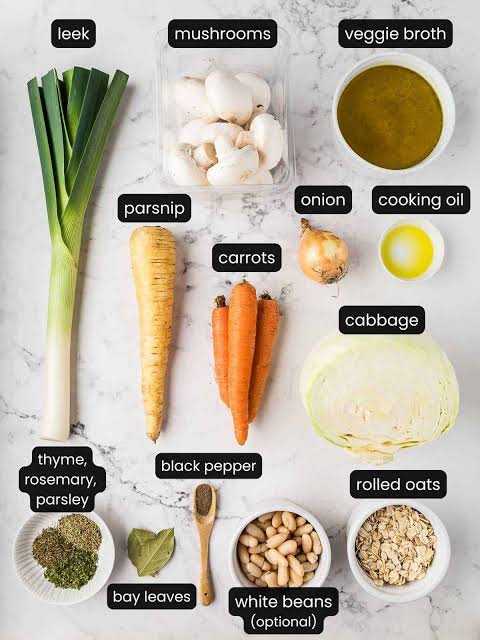
The variety of pottage recipes is one of the best features of the dish.
Fueling and thickening pottage has traditionally required grains (Barley, oats, and wheat are the traditionally favored grains).
Vegetables
There is an assortment of options when it comes to selecting vegetables for pottage. These options allow for your pottage to be packed with flavor, color, and nutrients. Some of these options include:
Carrots
Onions
Cabbage
Turnips
Potatoes
Legumes
Legumes, beans, lentils, and peas, are often added in pottage to create a more filling dish as they contain a good source of protein.
Herbs and Spices
Herbs are a great way to add flavor to pottage, and recipes are often created to use local seasonings.
Meat and Fish
Meat, poultry, and fish also enrich pottage and make it a more filling meal.
Different Varieties of Pottage
Because of pottage’s popularity and spread, there are countless variations of it.
Vegetable Pottage
This pottage version is on the healthy side. It is very simple and popular for its use of seasonal vegetables and herbs, and for being plant-based.
Pease Pottage
Pease pottage is a popular version of pottage in British culture. This version is very herb-heavy and uses peas as its main ingredient.
Grain-Based Pottage
Pottages that use grains like barley or oats became popular in rural farming communities and are made in many cultures.
Meat-Based Pottage
These pottages stand out from the others because they are more like stews due to the addition of meat.
Cultural Importance of Pottage
Pottage is a meal, but it is also a representation of history and a means of survival.
Pottage symbolizes being together as a family and represents being resourceful with what you have.
Pottage also reflects cultural values of:
Using the resources that you have to make something great
Being a generous person and sharing
Honoring and living by the cooking customs that have been passed down through generations
Many of the older recipes have not been forgotten, and many of them are inspirations for today’s chefs.
Pottage in Today’s Society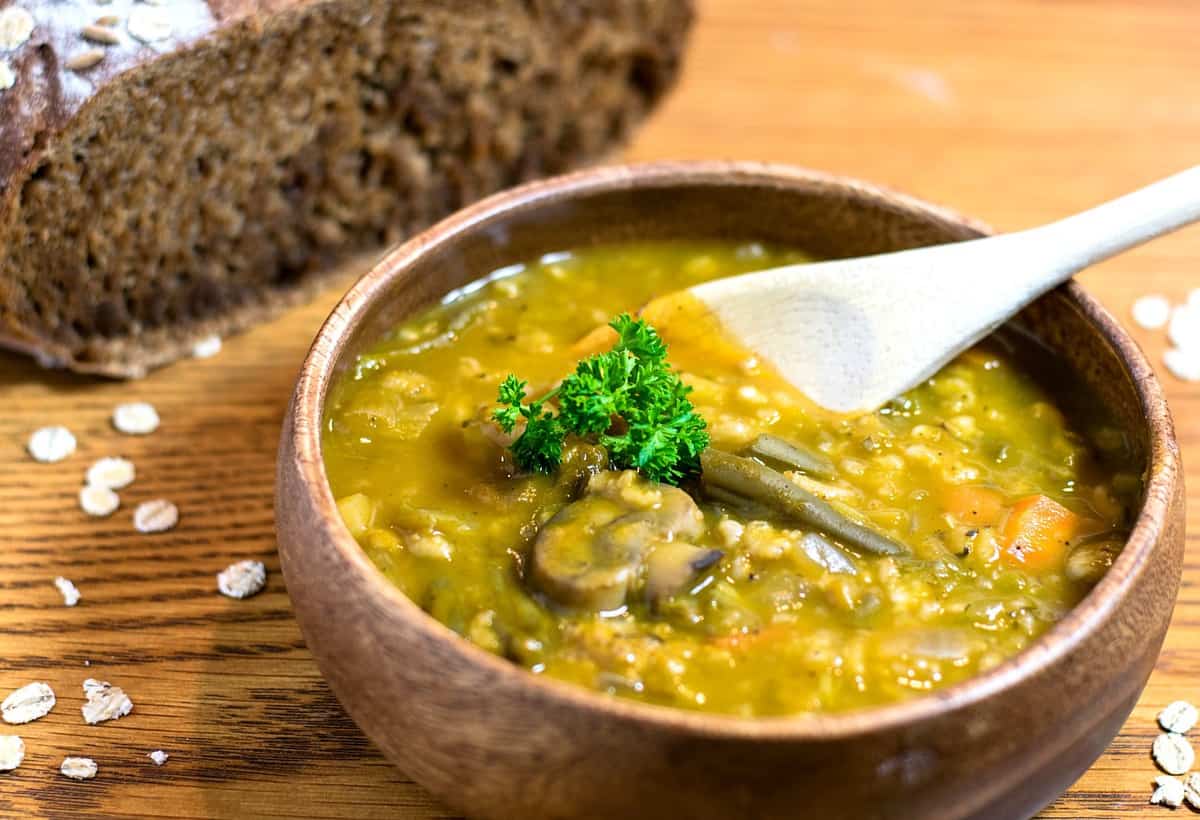
Modern kitchens include countless opportunities for advanced cooking, yet the use of pottage remains because of two things: its simplicity and comforting nature.
Chefs and home cooks have modified pottage for use with:
Whole, fresh vegetables
A variety of spices from all over the world
Plant- and grain-based foods
Innovative modern cooking techniques
This modification has allowed pottage to check all the boxes for a wide variety of dietary preferences and restrictions, but still maintain its integrity.
Reasons for the Continued Popularity of Pottage
Pottage has a number of great qualities that have contributed to its sustained success:
Economical
Can be made with modest means
Healthy
Can be a meal that contains all food groups
Customizable
Pottage recipes can be completely unique to the cook and/or the eater
Nostalgic
Warm, comforting food that is beloved in the chilly months
Final Remarks
Pottage is a wonderful dish and beyond just being an ancient dish, pottage is a world food history, a world food creative art, and a world food tradition. As it has been for countless generations, pottage continues to be a source of nourishment and comfort throughout the ages. The world of cooking has endless opportunities to modify pottage to incorporate culinary creativity and traditions from all over the world. From a very relatively plain vegetable dish to very elaborate traditional stews, pottage will always exemplify the idea of meaningful cooking with the simplest of means.