

Introduction
The aquatic world brings to mind strange and beautiful creatures, each with their own special adaptations for survival. One of the most noteworthy of these aquatic adaptations are fish eyes, which have evolved over the eons to help them with navigation, foraging, and avoiding danger and even helps with the social aspects of their existence.
- Introduction
- Anatomy of Fish Eyes
- How Fish See Underwater
- Color Vision In Fish
- Fish Adaptations to Darkness
- The Ability of Fish Eyes to Detect Movement
- Unique Features of Fish Eyes
- Fish Versus Human Eyes
- Because humans are land-dwelling mammals, our eyes are adapted to:
- Because fish are adapted to life in water, their eyes are adapted to:
- Why Study Fish Eyes?
- Fish Vision Facts
- Fish Vision Adaptation and Evolution
Human eyes and fish eyes are very different. The design of fish eyes and the structure of their vision and the adaptations within allow for clear vision in an environment that has different properties of light and movement and distance compared to the above water world.
In this guide, we will cover all the different aspects of fish eyes, including their anatomy and their vision and adaptations, as well as the features that help fish eyes thrive in aquatic ecosystems.
Vision in Fish Eyes
Fish require the use of their vision for many critical functions, including the acquisition of food, the detection of danger, identification of conspecifics, and navigation.
All of these functions are critical for their survival and social interactions, and the ability to see well in their world is a significant factor in that.
Anatomy of Fish Eyes
Fish eyes are designed specifically to live in an aquatic environment. The structure of fish eyes and the challenges of life in the water has led to some unique features.
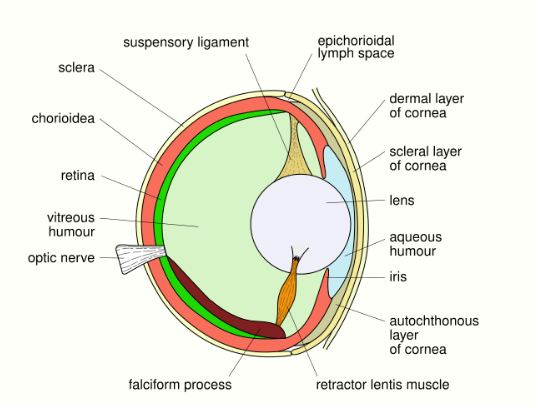
Big Rounded Lenses
Fish and human eyes differ in lens shape.
Fish have typically rounded lenses for focusing better underwater. That lens shape aids fish in focusing in water because of the way light acts in water compared to in air.
Cornea and Retina
Fish and human eyes both have a cornea and a retina.
The retinal light-sensitive cells of fish help them detect:
Brightness
Shapes
Movement
Colors
This enables fish to view the world around them.
Protective Eye Structure
To help reduce damage from the underwater environment, many fish species have developed a structure around the eye.
Some species have developed coverings for extra protection to help their vision.
How Fish See Underwater
Fish eyes and human eyes work differently for underwater vision. This is due to the unique properties of underwater vision.
Water changes light and as you go farther underwater some colors disappear and can make vision limited.
Fish have adapted to create different styles of vision for different environments.
Some fish live in:
Clear ocean waters
Dark deep-sea environments
Murky rivers
Coral reefs
Each of these environments can have different styles of vision.
Color Vision In Fish
Some people question fish and color vision. The answer is that they can, but color vision depends on the fish species.
Some fish can even have very good color vision and have a large color detection range.
Color vision is important to fish with respect to:
Finding food
Identifying mates
Recognizing threats
Communicating with other fish
Fish living in deep water may have impaired color vision, as light diffusion decreases in deeper layers of water.
Fish Adaptations to Darkness
Some environments have restricted lighting. Many fish have special adaptations for seeing in the dark.
Deep sea fish often have:
Large eyes
High sensitivity to light
Specialized light-detecting cells in the retina
These adaptations help them detect movement, even when visibility is near impossible.
Some deep sea organisms are even capable of producing light through biological processes.
The Ability of Fish Eyes to Detect Movement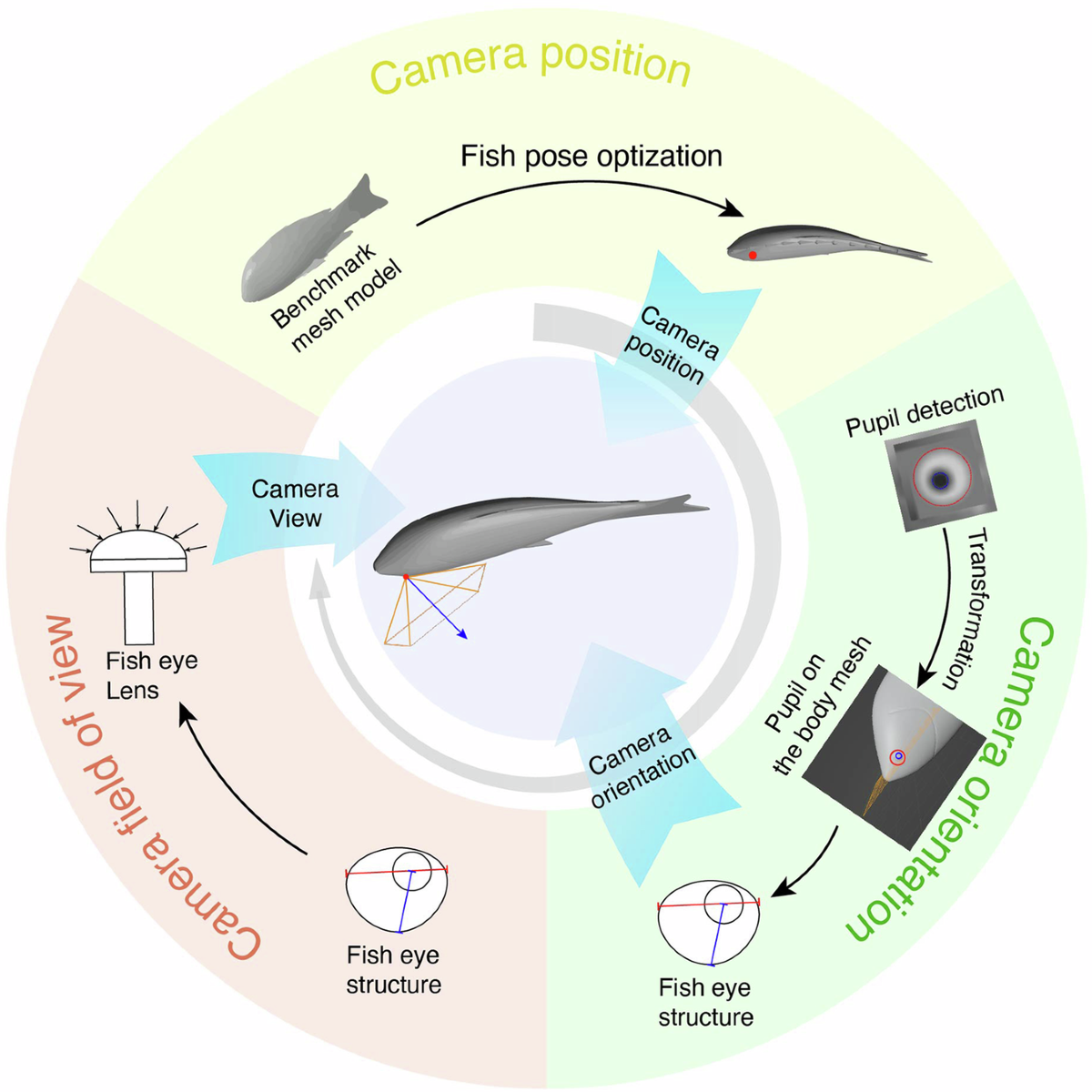
The ability to detect movement is perhaps the most important function of fish eyes.
Detecting fast movement is important for:
Escaping predation
Catching prey
Schooling
Fish have evolved the ability to see a wide area so that they can be aware of their surroundings.
This is critical to their survival in the dynamic underwater world.
Unique Features of Fish Eyes
Eye adaptations in various fish species are nothing short of remarkable.
Having their eyes on the side of their heads has allowed certain species to have a wide field of view and detect near threats.
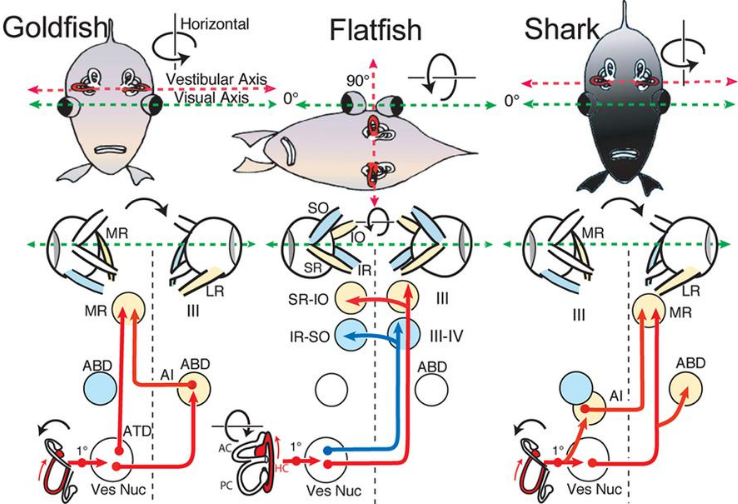
Various fish have the ability to move their eyes in opposite directions.
The eyes of deep sea fish may be very specialized and extremely sensitive to light.
Fish Versus Human Eyes
There are many differences between human and fish vision and the systems that support them, largely due to the differences in the environment they inhabit.
Because humans are land-dwelling mammals, our eyes are adapted to:
Air environments
Sharp and focused vision
Distant vision
Because fish are adapted to life in water, their eyes are adapted to:
Underwater vision
Seeing via focused and sensitive motion detection
Vision adapted to the varying (generally low) lighting conditions
The differences in fish and human vision demonstrates the varying and specialized needs of different environments.
Why Study Fish Eyes?
Research on the eyes of fish and the vision of other vertebrates is essential in the study of evolution, the study of behavior of animals, and the study of underwater ecosystems.
Fish vision and research on it can explain to scientists the following:
Marine adaptability
Fish and sea life diversity
Change to water-based environments and ecosystems
Survival of different animals
Research on fish vision can also help maintain the health of the underwater ecosystems.
Fish Vision Facts
Fish vision is very interesting and here are some of the interesting things we know about it:
Fish can see some light that is outside of the detectable human range.
Fish that live in dark environments may tend to have larger than average eyes.
Fish vision is very different based on their habitats.
Some fish may use other senses in combination with vision.
The flowing of rivers and oceans and the stillness of lakes encompasses fish from all over the world, and these habitats have lead to varied adaptations of fish vision.
Fish Vision Adaptation and Evolution
Fish vision is a wonderful example of the design of nature and adaptation of fish to their environment. With the ability to see colors, light, and motion, along with the ability to detect danger, fish are able to thrive in their environment.
Fish, along with their adapted vision, have evolved specialized systems of seeing their environments from light filled coral reefs to the darkest portions of the ocean. The study of fish vision contains the research of both the complexity of life within water and the ingenious systems designed by nature to allow life to flourish.