

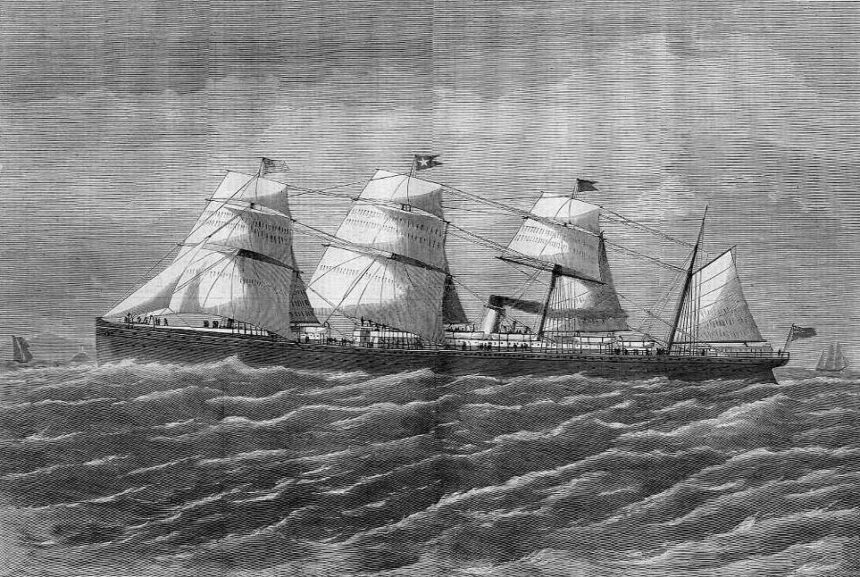
Introduction
The history of ocean travel is filled with remarkable ships that represented innovation, ambition, and human determination. Among these historic vessels, RMS Atlantic holds a special place as a ship remembered not only for its impressive service but also for one of the most tragic events in early maritime history. Built during the golden age of steamship travel, RMS Atlantic became a symbol of progress, luxury, and the challenges faced by ocean liners of that era.
From its launch to its final voyage, the story of RMS Atlantic reflects both the achievements and dangers of 19th-century sea travel.
The Beginning of RMS Atlantic
The RMS Atlantic was a British ocean liner built for the White Star Line, one of the most important shipping companies of the time. The ship was constructed during a period when steam-powered vessels were transforming international travel by making ocean crossings faster and more reliable.
Launched in the early 1870s, RMS Atlantic was designed to provide passengers with a comfortable and modern travel experience. It featured advanced technology for its time, combining steam propulsion with traditional sailing capabilities. The vessel represented the growing competition among shipping companies to create larger, faster, and more impressive ocean liners.
A Symbol of Maritime Progress
During its operational years, RMS Atlantic played an important role in connecting Europe and North America. The ship carried passengers, cargo, and mail across the Atlantic Ocean, contributing to the expansion of global communication and transportation.
At the time, ocean liners were more than just transportation. They represented opportunity and adventure for travelers seeking new beginnings. For many passengers, stepping aboard RMS Atlantic meant starting a life-changing journey across the sea.
The ship’s design reflected the standards of Victorian-era engineering, offering improved comfort compared to many earlier vessels. Its service helped strengthen the reputation of the White Star Line and demonstrated the possibilities of modern maritime technology.
The Tragic Final Voyage
The most well-known chapter in the history of RMS Atlantic came during its final voyage in 1873. While traveling across the Atlantic, the ship encountered difficult conditions that eventually led to one of the worst maritime disasters of the 19th century.
The tragedy occurred when RMS Atlantic approached the coast of Nova Scotia. Due to navigational errors and challenging circumstances, the ship struck underwater rocks and suffered severe damage. The accident caused the vessel to sink, resulting in a significant loss of life.
The disaster shocked the public and raised important questions about maritime safety practices. It highlighted the need for better navigation procedures, improved emergency preparation, and stronger safety standards for passenger ships.
Lessons Learned from the Disaster
The sinking of RMS Atlantic became an important moment in maritime history because it encouraged improvements in ocean travel safety. Following the tragedy, ship operators and authorities paid greater attention to navigation methods, emergency equipment, and passenger protection.
Although the loss of the ship was devastating, the lessons learned contributed to safer practices for future generations of ocean travelers. The disaster became part of the broader evolution of maritime regulations and shipbuilding standards.
The Legacy of RMS Atlantic
Today, RMS Atlantic is remembered as more than just a ship that met a tragic fate. It represents an important period when the world was experiencing rapid changes in transportation and communication.
The vessel’s story captures the excitement of early steamship travel while also reminding us of the risks faced by sailors and passengers during that era. Historians continue to study RMS Atlantic because it provides valuable insight into ship design, Victorian engineering, and the development of international travel.
The ship’s legacy lives on through maritime records, historical research, and the stories passed down about those who traveled aboard her.
Why RMS Atlantic Remains Important Today
The importance of RMS Atlantic comes from its connection to a transformative period in history. It was part of a generation of ships that helped shape the future of global transportation.
Its story includes themes of innovation, exploration, human ambition, and resilience. While its final voyage remains a tragic reminder of the dangers of the sea, its contribution to maritime development cannot be overlooked.
By studying ships like RMS Atlantic, we gain a better understanding of how modern ocean travel evolved and how past experiences helped create safer journeys today.
Final Thoughts
The story of RMS Atlantic is a powerful combination of achievement and tragedy. As one of the early vessels of the White Star Line, it represented the progress of steamship technology and the growing connection between continents. However, its tragic sinking also revealed the importance of safety and preparation in maritime travel.
More than a century later, RMS Atlantic remains a significant name in naval history. Its journey reminds us that every ship carries not only passengers and cargo but also stories of ambition, challenges, and human experiences that continue to inspire future generations.