

Introduction
The study of music extends beyond the notes on the score. An understanding of the culture, the emotions, the instruments, and the techniques is necessary. Innovations in performance interpretation of historical music have spawned different movements. One of the most significant movements in music is historically informed performance.
- Introduction
- The History of Historically Informed Performance
- The Early Music Movement
- Principles of HI Performance
- Analyzing Procedures of the Past
- Studying Primary Evidence
- Real Period Instruments
- Value of Investigation and Analysis
- The performers collaborate with the historians and the specialists.
- Historically Informed Performance in Present Day Concerts
- Musical Benefits of Historically Informed Performance
- Limitations and Controversies
- Looking Ahead
Historically informed performance places importance on the context of the musical work in order to construct a performance that is representative of the compositional practice of that period. Historically informed performance goes beyond the practice of playing historical music using contemporary techniques. It is concerned with the understanding of the historical audience, the historical performer, and the historical composer.
This guide will give you the history, the principles, the practices, and the significance of historically informed performance.
What Is Historically Informed Performance?
Historically informed performance is an approach to music that is concerned with the recreation of historical practice through the knowledge of historical stylistic performance practice of a particular period.
It is the study of:
Instruments of that period
Performing techniques of that period
Notational practices
Styles of that period
Research and historical documents
This is not the practice of reproducing history, but of constructing an interpretation that is historically evidenced.
From an example of a Baroque composition by Johann Sebastian Bach, we can realize how performances may incorporate original period instruments, tuning systems, and styles of embellishments of Bach’s time.
The History of Historically Informed Performance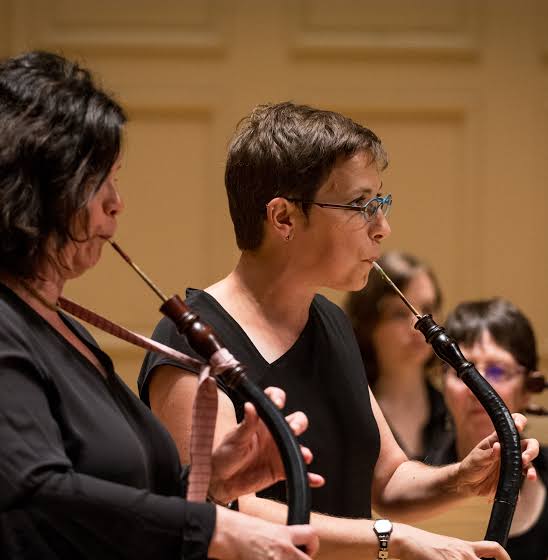
Historically informed performance started to develop in the 19th and early 20th centuries and has become more widely known as musicians and scholars began to place importance on historical accuracy.
In earlier periods, many classical pieces were performed with modern instruments and styles that were likened with the present.
Musicians began to ask themselves and to be more aware about the fact that older compositions might have been played in different styles from how we play them today, by the way they might mean to us today, or how we might be today.
The 20th century proved to be an important time for the HI movement with the proliferation of musicology, historical researches, and the resurgence of early instruments.
The Early Music Movement
Historically informed performance is linked to the early music movement. This movement was an initiative to unearth music from the:
Medieval
Renaissance
Baroque
and Early Classical eras.
During this period, musicians began to look for previously used performance practices, and began to play on original instruments or instruments of that period.
This movement contributed a lot to bringing lesser known composers and their works to the forefront and encouraged people to listen to compositions from historians and to inspire them to listen to music played in a style different from the modern ones.
Principles of HI Performance
Historically informed performance has its foundations on research and interpretation. Some of its important principles include:
The use of Historical Instruments
Baroque violins, harpsichords, natural horns, and period wind instruments are some of the instruments similar to the period in which these compositions were played that a lot of performers choose to use.
Analyzing Procedures of the Past
Musicians look into past performers’ use of:
Rhythm
Tempo
Expression
Articulation
Ornamentation
Musicians recognize the impact of these techniques on interpretation.
Studying Primary Evidence
Traceable evidence of the past includes:
Composers’ notes
Manuscripts
Treatises
Correspondence
Recordings
Evidence of past performances
All of these present evidence of musical practices.
Real Period Instruments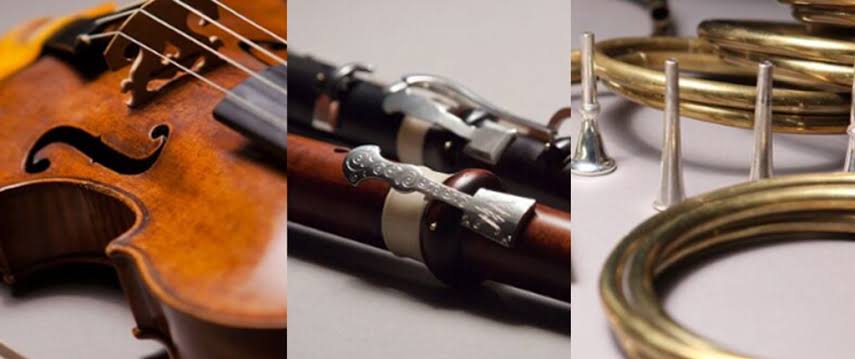
A major aspect of historically informed performance is the presentation of period instruments.
The construction and materials of modern instruments, as well as sound and technique, often differ from those of older instruments.
For instance, Baroque violins and modern violins show significant differences in sound.
Historical instruments give performers the ability to explore the sound of the musical world known to the composers.
Value of Investigation and Analysis
In historically informed performance, the investigative aspect is of utmost importance.
The performers collaborate with the historians and the specialists.
The research and the investigation provide several performance ideas; thus, historically informed performance does not equate to a single correct performance.
Historically Informed Performance in Present Day Concerts
Historically informed performance has penetrated the modern classical music scene.
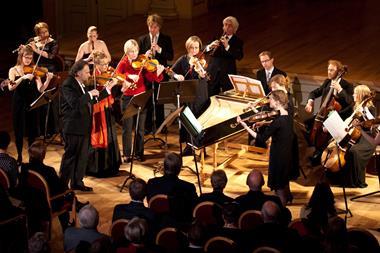
Specialized orchestras and ensembles focus on historically informed performance practices and present compositions from several eras with consideration of historical practices.
Audience members enjoy performance for a variety of reasons, including:
Innovative interpretations
New sounds
Greater passion for history
Alternative points of view on well-known performances
Listening to a well-known concerto or symphony can be transformed with the application of historical practices.
Musical Benefits of Historically Informed Performance
The realm of historically informed performance takes the notion of authenticity and expands on it to introduce benefits such as:
Greater Context for the Listener
Historically informed performance puts pieces in context for the listener and creates an understanding of the development and evolution of musical time.
Safeguarding the Past
Historically informed performance runs the risk of allowing the techniques and tools of the past to be forgotten; thus, encouraging musicians to adopt new interpretations.
Limitations and Controversies
Longitudinally and internationally, historically informed performance is very popular, although it has created discussions and debates within the community regarding:
Authenticity and accuracy of the past
The degree of creative liberties can be taken when performing
How much modern audiences should experience performance practices of the past
Consideration of the research being performed must be taken when historical data is limited.
Looking Ahead
In the future, performance practice will continue to evolve with the aid of technology. Specifically, the future will see improved historical research, online tools, and better constructed instruments.
There will be more of a focus on the historical data that informs performance practice of the classical repertoire.
Historically informed performance is the musical art form that combines history and research. It draws from musicians’ knowledge of the past to enable them to give new insights to age-old compositions.
This approach allows the audience to feel the artistic environment of the time and place of the original music, instead of just being a recreation of music previously written. With painstaking research and careful consideration, historically informed performance brings new context to classical music. It sustains the link across time.