
Introduction
The digital age has transformed the ways in which we can share teachings, culture, and spirituality. It has made it possible for people all around the world to access television and online media. Channels dedicated to particular cultures and religions can help people learn about traditions and practices that are otherwise inaccessible to them. The Buddhist TV Channel is one of these media platforms. It offers its audience access to meditation practices, Buddhist teachings and philosophy, and cultural practices.
- Introduction
- History and Development of The Buddhist TV Channel
- Mission and Purpose
- Buddhist Teachings
- Significance of Buddhist Media
- Fostering a Practice of Mindfulness and Meditation
- Creating Cultural Connections
- Teaching on The Buddhist TV Channel
- The effect of Technology on Spiritual Broadcasting
- The Difficulty of Religious Broadcasting
- The Buddhist TV Channel’s Prospective Future
- Conclusion
With the integration of broadcasting technology, this channel is able to communicate its teachings to those who are interested in spiritual practices and the art of living mindfully.
This guide is intended to provide the history, programming, and mission of The Buddhist TV Channel, as well as an overview of its spiritual impact.
What Is The Buddhist TV Channel?
The Buddhist TV Channel is an online spiritual media channel dedicated to the broadcasting of the teachings and cultural and traditional aspects of Buddhism.
This channel primarily focuses on the communication of:
Meditation
Buddhist Philosophy
Spirituality
Ceremonies
Buddhist History and Culture
The Buddhist TV Channel uses both television and digital technology to communicate Buddhism to viewers, regardless of their geographical location.
These types of media channels are intended to inform, educate, and promote the development of spirituality and not just entertain.
History and Development of The Buddhist TV Channel
The Buddhist TV Channel is an example of the increased interest in the media as a tool for cultural and religious communication.
In the past, teachings and traditions of Buddhism were communicated in a number of ways: orally, through the written word, monasteries, and with the guidance of a teacher. With the evolution of technology, broadcasting began to be an effective way to communicate these teachings more widely.
Television gave Buddhist organizations and communities the ability to reach more people and supporters outside of their temples and local communities.
Modern audiences have more access to Buddhist teachings and practices while preserving Buddhist traditions through the new innovations in spiritual media.
Mission and Purpose
The primary objective of the channel is to promote the teachings and values of Buddhism.
The channel aspires to share teachings that inspire:
Peace
Compassion
Mindfulness
Wisdom
Personal Growth
The platform promotes the cultivation of the principles of Buddhism in order to foster ideas of moral and ethical structures of living and Inner harmony.
It also serves the purpose of being a resource to people who want to deepen their knowledge and understanding of the Buddhism Traditions.
Programs and Content
Diversity of Educational and Spiritual programs is of utmost importance to the Buddhist TV channel.
Some popular contents are:
Buddhist Teachings
Programs that introduce Buddhist concepts and philosophies often feature Monks, Teachers, and Scholars.
Some teachings include:
The Teachings of Buddha
The Four Noble Truths
The Eightfold Path
Buddhist Ethics
Meditation Programs
There are many programs that help viewers develop Techniques for Focus, Awareness and Relaxation, as well as Clarity of Mind.
There are also programs that guide viewers in the practice of Meditation and Mindfulness.
Religious Ceremonies
Views are also given the opportunity to participate in the Buddhist celebrations and ceremonies.
Now people can learn about different cultural practices from home and don’t have to visit a temple in person.
Cultural Programs
Art, history, and community activities are all part of Buddhist culture.
Cultural programs can make a difference in preserving and passing on aspects of the rich Buddhist culture.
Significance of Buddhist Media
The Buddhist tv channel shows how more and more religious media have more value in today’s world.
Media channels help religious communities to do the following:
Keep traditions
Teach the young
Make global connections
Present their culture
For many, religious channels are the easiest way to learn about a religion.
Fostering a Practice of Mindfulness and Meditation
The Buddhist tv channel’s support of meditation and mindfulness is probably the largest and most impactful.
The world is fast, stressful, and many are looking for ways to heal and support their mind and mental health.
Buddhist meditation helps:
Balance emotions
Compassion to be mindful of
Focus on the present
This encourages people to think and be mindful everyday.
Creating Cultural Connections
Buddhism is practiced all over the world. This is a great example of channeling different cultures.
Digital media gives the ability for Buddhist teachings to be sent to:
Everyone around the world
The young
Those who are interested in spirituality
Cultural study
This encourages more appreciation for Buddhist culture.
Teaching on The Buddhist TV Channel
The Buddhist tv channel can provide education beyond spirituality.
Anyone interested in this topic can learn about the following on the website:
– The history of Buddhism
– The practices of Buddhism
– Buddhist and other related philosophies
– The cultural practices related to Buddhism
Using the available educational material can lead to a greater appreciation and understanding of Buddhism.
The effect of Technology on Spiritual Broadcasting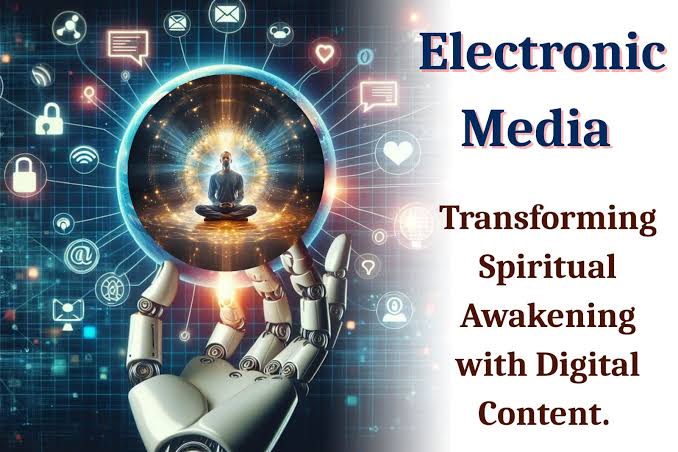
The broadcasting of spiritual content has changed as a result of the new technology that has emerged. Buddhist TV Channel is one of the many channels that:
– broadcasts on TV
– Streams content on the internet
– Uses social media to post content
– Publishes digital content.
These formats can be used to teach the older, traditional practices of Buddhism, while teaching to a modern audience.
The Difficulty of Religious Broadcasting
While spiritual content has many benefits, it has its issues. These issues may be:
– Authenticity
– Audience Diversity
– Tradition vs Modern Practices
– Communications Issues
These types of spiritual channels have to carefully teach more recent practices while honoring the older teachings and practices.
The Buddhist TV Channel’s Prospective Future
The future of the Buddhist TV Channel and Digital Media are closely related. Some possibilitiesof the future are:
– More content online
– New forms of interactive and teachable content
– Digital meditation tools
– Less barriers to access from different countries
As the new technology continues to evolve, Spiritual Broadcasting will be an increasingly significant means of communicating wisdom and cultural practices.
The Buddhist TV channel not only serves the purpose of broadcasting content. It creates new ways of accessing and practicing Buddhist values such as:
– Kindness
– Patience
– Mindfulness
– Compassion
These values have the power to transform not only individuals, but also the communities in which they reside.
Conclusion
The Buddhist TV channel shows how the technology of modern communication can be fused with ancient Buddhist teachings. The channel offers teachings and meditations, as well as cultural artifacts to its audience who are encouraged to learn, contemplate, and discover.
By providing a means of incorporating Buddhist customs into the digital and domestic environ, the channel aids in the preservation of the Buddhist cultural legacy, while offering Buddhist teachings to the world. The purview of the channel illustrates how the media can be an aid to the inspiration and education of the individual, as well as the aid to the informational aspects.