

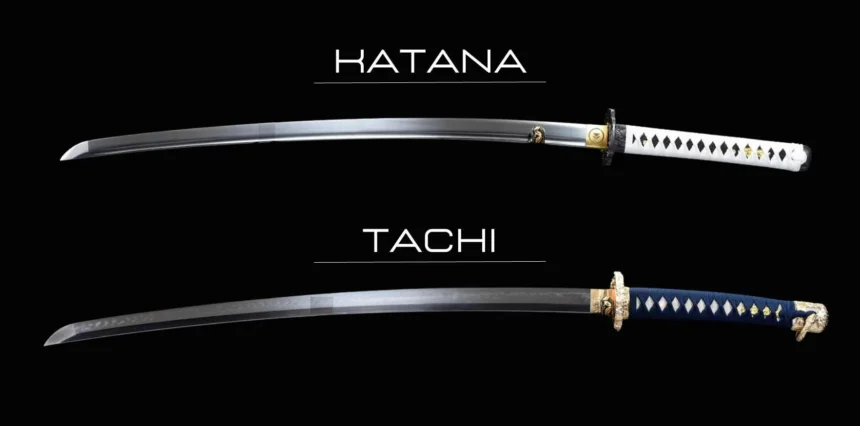
Introduction about Tachi
As we explore the history of Japan, one of its many captivating and critical aspects is its representation of tradition, discipline, and artistry. The tachi is one of many defining artifacts of Japanese culture. A testament to the development of Japanese society, the Tachi influences systems of warfare and craftsmanship.
Starting as a prominent artifact of the battlefields in Medieval Japan, the Tachi now resides in modern day museums as a relic of history. Its elegant samurai connected design and its distinct curved blade further solidify its place in the conversation of the most fascinating swords of all time.
The Tachi illustrates the reciprocal relationship between technology and culture through the ages and across the world.
The Heian Period and the Tachi
The Tachi first emerged during the Heian Period (794–1185) when Japan underwent significant transformations in the structure of its military and its techniques of warfare. During the Heian period, the importance of mounted warriors grew and with it the need for swords specifically designed for fighting on horseback.
This period saw the introduction of curved blades as a significant breaking from the tradition of designing straight swords. This design significantly improved the effectiveness of the swords in battle.
The tachi was an improvement in Japanese swords, responding to new needs for swords on the battlefield and the evolving talents of Japanese smiths.
What set the tachi apart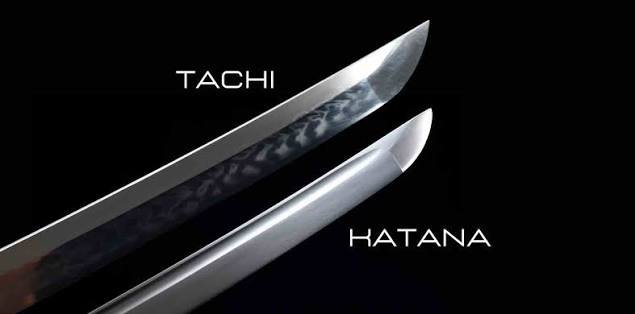
The tachi was recognized for its elegant curved blade and was worn with the edge facing downward, as opposed to the katana, which was worn with the edge facing upward.
From the tachi’s design, one can tell that much thought went into the functionality and utility. The blade, guard, and other parts of the sword were created with beauty and function in mind. Japanese swordsmiths sought a balance of flexibility and strength together with the blade’s sharpness.
Tachi were beautiful works of art.
The legendary blade’s craftsmanship
With tachi, one could tell the smith knew the blade and the metal well. The Japanese smiths possessed skills and knowledge of metal manipulation that their contemporaries did not.
The use of raw steel was not common among smiths of the time because they did not understand how to manipulate the raw steel. For a tachi, other smiths viewed the act of folding and heating the blade to improve its quality as an advanced steel manipulation.
One draw of a Japanese tachi when compared to those of other trades was the hamon, which is a blade design that results from a specific heating. This was an artistic touch and also a display of skill.
An expertly crafted tachi represented an excellent practitioner due to the time and effort that went into its creation.
The Tachi and the Rise of Samurai Culture
The tachi became tied with warrior identity as the samurai class gained more power. It represented not just military power, but also honor, duty, and position.
To many samurai, a sword was an extension of the self. A tachi could display the history of a family, personal accomplishments, and the allegiance of the samurai to a lord or clan.
The sword took on emotional and cultural meaning beyond its functionality. It became a representation of a samurai’s devotion to self-control and his obligations.
The Shift from Tachi to Katana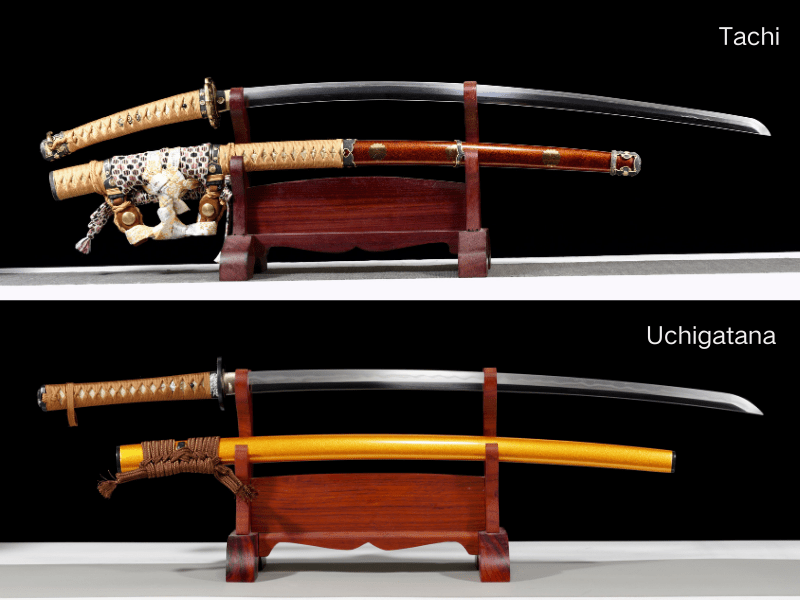
Japanese warfare began to change and so did sword design. As combat shifted from fighting on horseback to fighting on the ground, the design of the sword began to change.
During the Muromachi period (1336–1573), the katana became more favorable as it could be drawn with ease in close quarters. The way in which the warriors began to carry their swords began to change, and the katana became the more distinguished representation of the samurai.
The katana began to take favorable use, but the tachi remained important. It held historical importance, artistic value, and a connection to the early warriors of Japan.
The Preservation of Tachi Heritage
The tachi remains appreciated by sword collectors, enthusiasts, and historians alike. Many of the swords that have survived are considered by collectors and historians to be cultural artifacts due to the swords’ high craftsmanship and historical importance.
Museums and collectors examine the tachi to analyze ancient Japanese technology, art, and sword-making traditions.
Modern artisans study the tachi as well, so that the techniques that forged these extraordinary blades are not lost.
Why the Tachi is a Fabled Sword
It is the tachi’s ability to embody various aspects of human endeavor that leaves people spellbound. It merges techniques, art, and craft with history and cultural meaning.
The tachi is not merely a sword. It is the legacy of its makers, its bearers, and of all those who have kept it alive throughout the years.
Its existence from the past to the present embodies the spirit of Japan, and of the world. The tachi is a potent artifact of the inventive and the inspired.
The tachi charted the course for survival. It illustrates the notion that an object can evolve from a tool to a symbol of inspiration and legacy. It is a testament that the artisans’ skill can endure and that it can whisper tales for centuries.