

Introduction
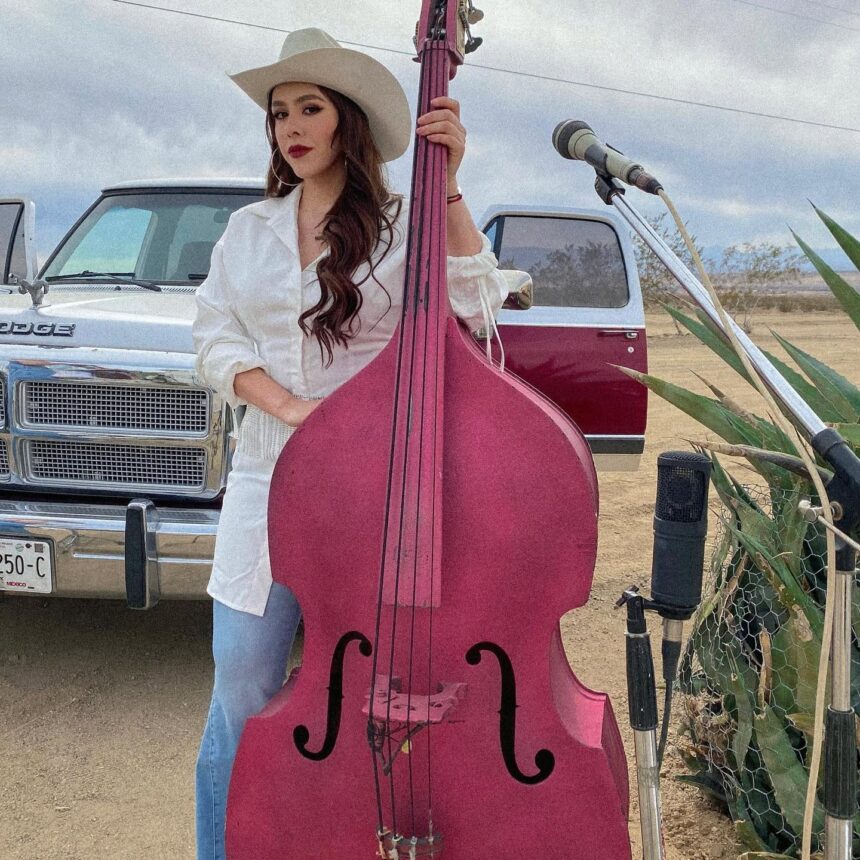
Music has always been a powerful way for communities to preserve their history, traditions, and cultural identity. Across the world, traditional instruments represent the stories and emotions of the people who created them. One such fascinating instrument is the tololoche, a traditional Mexican string instrument known for its deep sound, distinctive design, and important role in regional music.
Often compared to a small upright bass, the tololoche has been an essential part of various Mexican musical traditions. Its warm tone and unique character have allowed it to remain a valued instrument among musicians and cultural communities.
This complete guide explores the history, design, sound, uses, and cultural importance of the tololoche.
What Is Tololoche?
The tololoche is a traditional Mexican double bass-like string instrument that is played by plucking or bowing its strings. It is commonly associated with regional Mexican music, especially styles from northern Mexico.
The instrument is known for producing deep, rhythmic bass tones that support melodies and provide a strong foundation for musical groups.
Although it shares similarities with the European double bass, the tololoche has developed its own identity through Mexican craftsmanship and musical traditions.
Key characteristics of the tololoche include:
Large hollow wooden body
Deep bass sound
Four strings
Traditional handmade construction
Important role in folk music
History of Tololoche

The history of the tololoche is connected with the cultural exchange between European and Mexican musical traditions.
During the colonial period, European string instruments were introduced to Mexico. Local musicians and craftsmen adapted these designs to create instruments suited to regional music styles.
Over time, the tololoche developed into a unique instrument with characteristics shaped by Mexican communities.
It became especially popular in northern regions where musicians used it to accompany traditional ensembles and dances.
The instrument’s evolution reflects how cultures combine outside influences with local creativity to create something new.
Origin of the Name Tololoche
The exact origin of the word tololoche is debated among historians and music researchers.
Some theories suggest that the name may have Indigenous influences, while others connect it to adaptations of European musical terminology.
Regardless of its linguistic origins, the name has become strongly associated with this traditional Mexican bass instrument.
Today, “tololoche” represents not only an instrument but also a connection to regional identity and musical heritage.
Design and Construction of Tololoche
The design of the tololoche reflects traditional craftsmanship and practical musical needs.
Wooden Body
The instrument usually features a large wooden body that creates its deep and resonant sound.
Craftsmen carefully select and shape wood to achieve the desired tone and durability.
Strings
Most tololoches have four strings, similar to other bass instruments. These strings produce low notes that support other instruments in a musical group.
Neck and Fingerboard
The long neck allows musicians to change notes by pressing the strings while playing.
Handmade Craftsmanship
Many traditional tololoches are handmade by skilled artisans who use techniques passed down through generations.
This craftsmanship gives each instrument a unique sound and appearance.
Sound and Musical Characteristics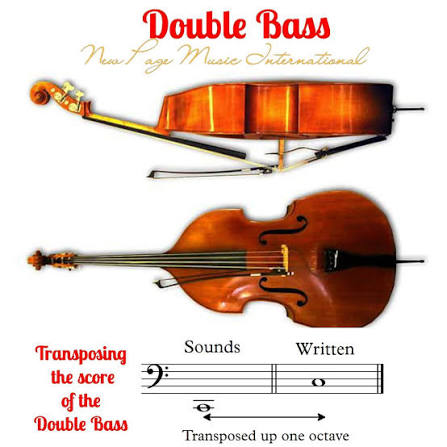
One of the most recognizable qualities of the tololoche is its deep and powerful sound.
The instrument provides:
Rich bass tones
Strong rhythm support
Warm musical texture
Traditional character
Its sound helps create the foundation of regional music performances.
Unlike modern electric bass instruments, the tololoche produces an acoustic tone that connects listeners with traditional musical styles.
Role of Tololoche in Mexican Music
The tololoche plays an important role in several forms of Mexican regional music.
It is commonly used in musical groups that perform styles such as:
Norteño music
Folk performances
Traditional regional ensembles
The instrument provides rhythmic support and helps create the energetic sound associated with these musical traditions.
Musicians often value the tololoche because it adds authenticity and emotional depth to performances.
Playing Techniques
Playing the tololoche requires skill, rhythm, and musical understanding.
Musicians typically use techniques such as:
Plucking
Players use their fingers to create clear and rhythmic bass notes.
Bowing
Some musicians use a bow to produce longer and smoother tones.
Rhythm Control
Because the tololoche often provides the bass foundation, players must maintain accurate timing and coordination with other musicians.
Learning the instrument requires practice and familiarity with traditional musical styles.
Cultural Importance of Tololoche
The importance of the tololoche goes beyond its musical function.
It represents:
Mexican cultural heritage
Traditional craftsmanship
Regional identity
Community celebrations
The instrument is often present at festivals, gatherings, and cultural events where music brings people together.
Through generations, the tololoche has helped preserve traditional sounds and stories.
Tololoche in Modern Music
Although it is a traditional instrument, the tololoche continues to have relevance in modern music.
Many musicians appreciate its authentic sound and use it alongside contemporary instruments.
Today, it appears in:
Cultural performances
Recording projects
Folk music groups
Traditional music education
Its continued use demonstrates the lasting value of traditional instruments in modern musical expression.
Preserving the Tololoche Tradition
Keeping the tradition of the tololoche alive requires support from musicians, craftsmen, and cultural communities.
Efforts to preserve the instrument include:
Teaching younger generations
Supporting traditional musicians
Maintaining craftsmanship skills
Promoting regional music
These efforts ensure that future generations can continue experiencing the unique sound and history of the tololoche.
Conclusion
The tololoche is more than a musical instrument; it is a symbol of Mexican tradition, creativity, and cultural connection. With its deep sound, handmade design, and important role in regional music, it continues to represent the heritage of communities that value traditional expression.
From its historical roots to its modern presence, the tololoche remains a remarkable example of how music preserves identity and brings people together. Its unique voice continues to enrich Mexican music and inspire musicians around the world.