
Introduction
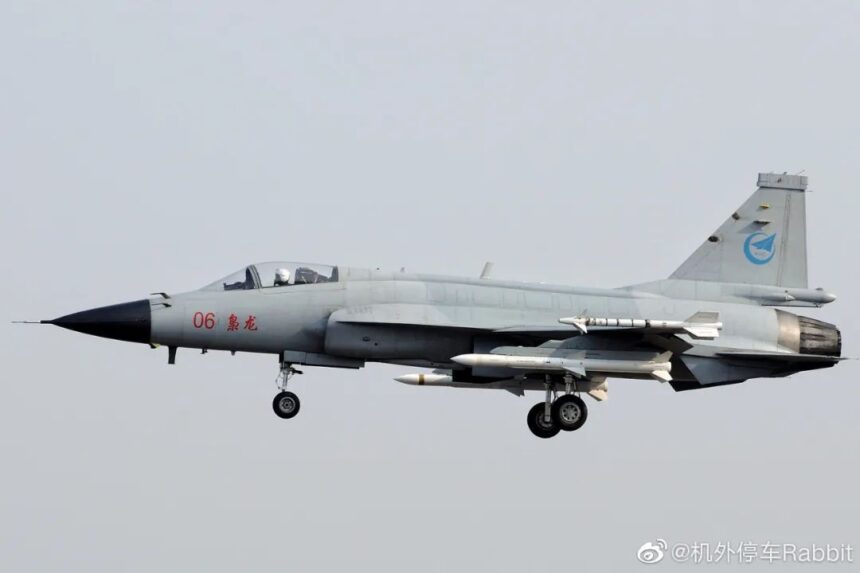
The making of sophisticated modern fighter jets is the result of the blending of multiple disciplines of engineering, design, and innovation. One of the prominent projects of the early 21st century is the Chengdu FC-1, and because of its development and design, it is one of the significant examples of modern international collaboration in the field of aerospace.
In several areas, the JF-17 Thunder is the name that is used for the Chengdu FC-1. Essentially, it was developed to produce a multirole fighter jet that was lightweight, inexpensive, and adequately combat capable. It demonstrates the evolution of the requirement for capability by several air forces and the need for sophisticated jets with an operating budget.
In this book, the Chengdu FC-1’s legacy, design, and features will be detailed.
The Development of the Chengdu FC-1
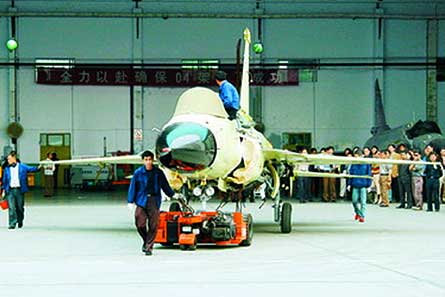
Interest in planning and developing a new generation of modern and inexpensive fighter jets surged in the late 20th century. This led to the establishment of the collaborative Chengdu FC-1 project.
The intended design was to make a jet that would supplant older models and offer enhanced performance. In particular, the development of the project was dependent on the participation of the Chengdu Aircraft Industry Group and the government of Pakistan. The Chengdu FC-1 was developed to offer a solution to countries that were in search of modern fighter jets, at a cost that would be significantly lower than that of larger and more sophisticated defense aircraft.
Development and Purpose
Chengdu FC-1 was primarily designed to function as a multipurpose, flexible fighter jet. Missions for which the aircraft was intended include:
Air Defense
Air Combat
Ground Attack
Patrol
Multirole
The aircraft’s design philosophy was focused on striking a high level of performance, cost-effectiveness, and ease of maintenance. This philosophy was an important consideration for nations looking to modernize their air force.
Design and Engineering Features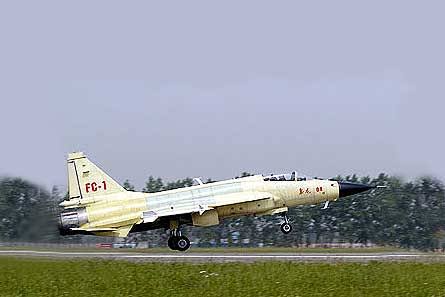
Chengdu FC-1 has a contemporary design and a modern, efficient aerodynamic configuration. Noteworthy design elements include:
Lightweight Structure
Single Engine
Sophisticated Cockpit
Avionics
Multirole
The aircraft’s design philosophy was focused on maintaining low operational costs while allowing the aircraft to perform a variety of different missions. Compact design was likely also a consideration for nations looking for versatile, pragmatic, and deployable fighter aircraft solutions.
Cockpit and Avionics Systems
Modern cockpit technologies of the Chengdu FC-1 are a significant improvement over its predecessors. The aircraft integrates a variety of digital systems that enhance situational awareness for the pilot and increase effectiveness in the completion of the mission. Notable cockpit systems include:
Multifunction Displays
Modern Navigation Systems
Digital Control Surfaces
Enhanced Communication Systems
These systems contribute to improved operational effectiveness by facilitating better information management.
Performance and Capabilities
The Chengdu FC-1 was designed as a lightweight, flexible, and efficient fighter aircraft. The capabilities of the fighter aircraft are largely driven by the configurations and systems with which it is equipped.
The design of the aircraft includes the following features:
– Maneuverability
– Speed
– Operational flexibility
– Cost-effective performance
Together these features ensure that the aircraft is tailored for the air forces that require modern design, but at an affordable price.
International Role and Users
The international significance of the Chengdu FC-1 is derived from the number of overseas operators.
Pakistan is the first country to operate this aircraft, where it is called the JF-17 Thunder, and this aircraft is crucial in the Pakistan Air Force’s defense of the nation and modernization of Pakistan’s air defense.
Interest in the FC-1 is coming from countries that would like to procure an affordable fighter aircraft.
Its international interest is indicative of the rapidly developing affordable military aviation.
Aviation Legacy of Chengdu FC-1
The legacy of the Chengdu FC-1 resides in its ability to alter the perception of the present-day fighter aircraft.
In the past, sophisticated fighter aircraft were synonymous with sophisticated pricing. The FC-1 illustrated how capable aircraft may be affordable.
Developing the FC-1 also made a substantial advancement in international collaboration in the field of aerospace technology.
The project demonstrated how a successful aircraft program may be built on collaboration.
Modernity and Improvements
The FC-1 has benefited from a number of advancements and improvements, with the emphasis in the latest derivative on:
– Avionics
– Radar
– Mission Equipment
– Operational Effectiveness
This further enhances the FC-1’s ability to engage effectively in modern warfare.
Chengdu FC-1 and Modern Aerospace
An example of a more recent style of modern fighter aircraft is the Chengdu FC-1. It is a highly practical and economical aircraft that is also quite flexible and efficient.
This aircraft is also important because of the philosophy that was used to design the aircraft in addition to the design itself.
Aerospace development can now be done in a way that focuses on the tradeoff between the capability and cost of the aircraft and how easily the aircraft can be produced.
Summary
In the history of modern aircraft the Chengdu FC-1 is a historically significant aircraft because of the design philosophy which includes international collaboration and practical design.
This aircraft is an excellent example of how modern fighter aircraft development and systems integration can be accomplished when good management is combined with innovative engineering and design.
The Chengdu FC-1 is one of the most practical and valuable aircraft designed in the last few decades and remains one of the most important developments in modern military aviation.