
Introduction
Industries such as aerospace, power generation, and medicine require high-performance metals and alloys that are sophisticated in both their design and their purity. Tools, parts, and components for these industries must possess levels of optimal metal quality, consistency, and purity that ordinary metallurgical processes cannot provide. This is the business of electroslag remelting (ESR).
Electroslag remelting is an innovative metallurgical process that remelts an alloy and further enhances its quality by the removal of impurities and the reduction of structural discontinuities. ESR provides manufacturers with a process to produce premium-grade materials that are capable of withstanding even the harshest conditions.
Currently, electroslag remelting is recognized as one of the most advanced secondary refining methods for the production of quality steels and special alloys that are required for highly demanding applications.
What Is Electroslag Remelting (ESR)?
Electroslag remelting (ESR) is a unique process of melting and refining, which remelts an alloy via the electric resistance heating of a molten layer of slag.
ESR does not create metal. Rather, it removes unwanted constituents and improves the quality of metal in the process.
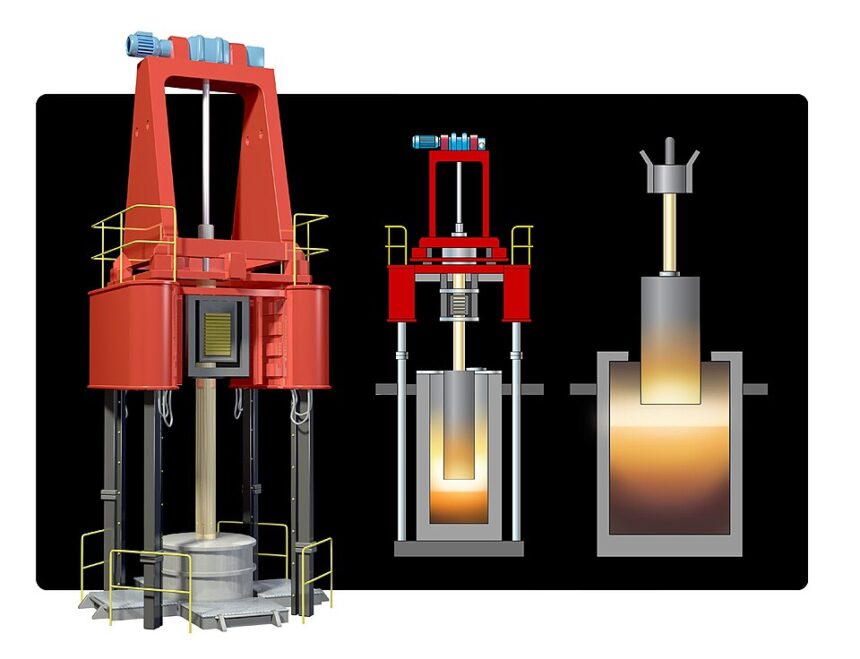
During ESR, the alloy in the form of an electrode is melted as it traverses the electrically heated slag. The impurities are trapped by the molten slag and the cleansed alloy is allowed to solidify as an ingot.
ESR is a unique and innovative process that results in an alloy of superior quality when compared to alloy products from conventional metallurgical processes.
What Is the Process of Electroslag Remelting?
The electroslag remelting process involves a number of stages that are meticulously controlled that result in quality enhancements of metal.
1. Electrode Preparation
The process begins with a metal electrode that has been formed previously and consists of alloy or steel materials. This electrode has the featured chemical composition, but may contain structural defects or impurities on a microscopic level.
The electrode is positioned in a vertical manner above a water cooled copper block into which the remelting process is going to take place.
2. Slag Melting and Heat Creation
A layer of specially designed slag is placed in the copper block. When an electric current is allowed to pass through this slag, a great deal of heat is created by the electrical resistance.
The molten slag absorbs impurities found in the metal and is even hot enough to melt the metal electrode.
3. Metal Purification and Solidification
Molten metal that is formed by the electrode passes through the molten layer of slag and is sufficient for the removal of impurities.
The metal that is now purified collects at the bottom of the copper block and solidifies as an ingot.
4. The ESR Process
The final result of this process is a metal ingot which is a preferred product, due to its improved characteristics that are of a structural and mechanical level.
Why Use Electroslag Remelting?
Electroslag remelting has the advantages of yielding metals that are superior in strength and purity.
Metal Purity
One significant advantage of ESR is that it can remove harmful impurities. Cleaner metal reduces fatigue, cracking, and mechanical failures.
Strength and Durability
Materials produced via ESR are tougher and possess increased tensile strengths and wear resistance. These properties make them useful for stressed components operating in extreme conditions.
Surface Finish
The controlled solidification process results in fewer defects and smoother surfaces on the ingots. This leads to a reduction in machining and increases in production efficiency.
Structure of the Material
Grain structure of the metal is made uniform by the process of Electroslag remelting. This uniformity increases the performance and the reliability of the metal.
Lifespan of a Component
The quality and durability of ESR materials causes the components built with these metals to have long service lives and low maintenance.
Industrial Uses of Electroslag Remelting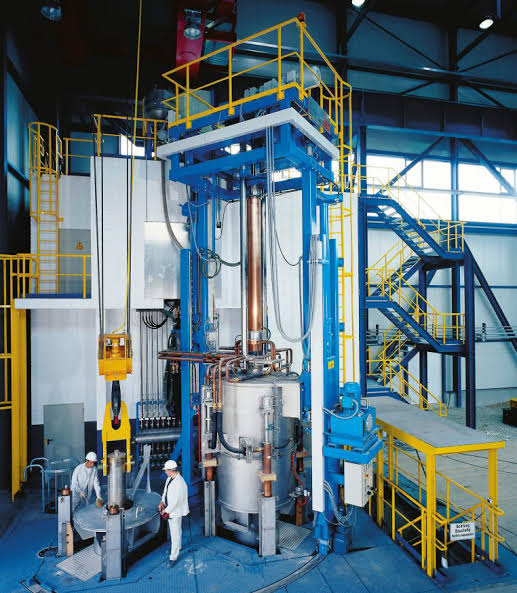
The processes of ESR are valuable to many industries because ESR is capable of producing high grade metals.
Manufacturing of Aerospace
The materials that are used in the manufacturing of aerospace metal have to be able to withstand severe mechanical stresses and high temperatures and pressures. For these reasons, ESR alloys are used in many aerospace metals in many critical components like landing gears and in engine components.
Energy and Power
Materials that are used in the construction of a plant’s pressure equipment, reactors, and turbines have to maintain high performance at severe operating conditions of high pressure and temperatures. Electroslag remelting can produce the alloys that meet these requirements.
Automotive Industry
Modern vehicles are required to be safe and efficient. For these reasons, ESR produced steels are found in many specialized automotive components requiring advanced materials and high reliability and strength.
Tool and Die Production
Manufacturing tools and dies undergo repetitive stress and wear. ESR enhances the quality of tool steel and aids in the production of industrial tools which are more durable and perform better.
Medical Equipment
Medical tools need to be made from materials that will not corrode and that are extremely reliable. ESR technology helps in the production of specialized stainless steel for use in medical applications.
Why ESR is Important for Modern Manufacturing
As Electroslag Remelting is more commonly used and needed in industries, it is because industries need stronger, lighter, and more reliable materials.
Often traditional techniques of metal production can leave small, virtually, unnoticeable impurities which can detrimentally affect the performance of that metal. ESR technology adds another layer of refinement which increases the quality of the material and assures that the resultant metal will satisfy the numerous and rigorous standards of the industry.
While the process calls for sophisticated and advanced technology, and meticulous control, the benefits and advantages of Electroslag Remelting technology and metals, makes it a prudent investment for industries where quality and safety are of the utmost importance.
The Future of Electroslag Remelting Technology
The future of Electroslag Remelting technology is of a great focus in efficiency, control, and precision of the processes, and will likely result in improved energy use and diminished costs of manufacturing and encourage the use of ESR technology in new and developing industries. As the demand for quality and high performance materials increases, Electroslag Refining will remain a significant technology in modern metal manufacturing.
Conclusion
With the introduction of Electroslag Remelting technology, the production of premium graded metals has drastically improved metal purity, strength, and the overall quality of the metal. Coupled with advanced control of the metal solidification process, Electroslag Remelting technology has produced metals that can satisfy the rigorous and demanding requirements of the Aerospace, Energy, Automotive, Medical, and other Engineering Applications.
Advancing technology will likely mean that electroslag remelting will play an important role in the production of safer, stronger, and more reliable metals into the future.