
Introdcution
Water control systems are essential for managing rivers, canals, reservoirs, irrigation networks, and industrial water facilities. Among the many hydraulic structures used today, a sluice gate is one of the most effective and reliable solutions for regulating water movement.
- Introdcution
- How Does a Sluice Gate Control Water Flow?
- 1. Gate Position Adjustment
- 2. Regulation of Water Passage
- 3. Maintaining Water Levels
- 4. Emergency Water Control
- Engineering Design of Sluice Gates
- Types of Sluice Gates Used in Engineering
- Applications of Sluice Gates
- Irrigation and Agriculture
- Dams and Reservoirs
- Flood Management
- Wastewater Treatment
- Industrial Facilities
- Benefits of Using Sluice Gates
- Importance of Sluice Gates in Modern Water Management
- Conclusion
A sluice gate is designed to control, redirect, or completely stop the flow of water through an opening. These gates are widely used in hydraulic engineering because they provide accurate control over water levels and flow rates. From small irrigation channels to large dams, sluice gates help engineers maintain efficient and safe water management systems.
What Is a Sluice Gate?
A sluice gate is a movable barrier installed in a water passage to regulate the movement of water. It usually consists of a strong gate panel, supporting frame, sealing system, and operating mechanism.
The gate can be raised, lowered, or adjusted depending on the required water flow. When the gate is closed, it blocks the passage and prevents water movement. When opened, it allows controlled water discharge.
Sluice gates are commonly manufactured using materials such as stainless steel, cast iron, carbon steel, and aluminum. These materials provide strength, corrosion resistance, and durability in wet environments.
How Does a Sluice Gate Control Water Flow?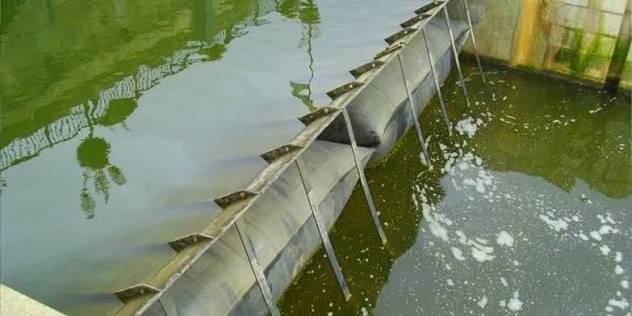
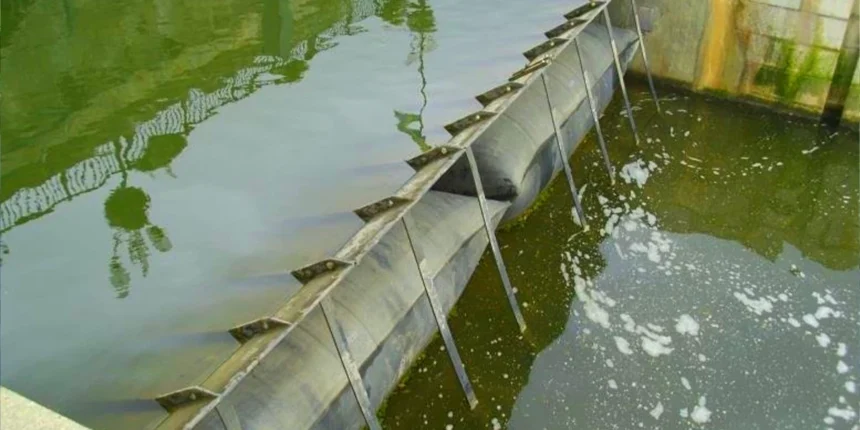
The working principle of a sluice gate is based on controlling the size of the opening through which water passes. By adjusting the position of the gate, operators can regulate the amount of water released.
The process works through the following steps:
1. Gate Position Adjustment
The operator controls the movement of the gate using a manual, hydraulic, pneumatic, or electric operating system. The gate can be partially opened, fully opened, or completely closed.
2. Regulation of Water Passage
The opening created beneath or around the gate determines the volume of water flow. A smaller opening reduces water discharge, while a larger opening allows more water to pass.
3. Maintaining Water Levels
By controlling flow rates, sluice gates help maintain desired water levels in reservoirs, canals, and drainage systems.
4. Emergency Water Control
During floods or heavy rainfall, sluice gates can quickly release or restrict water to protect surrounding areas and infrastructure.
Engineering Design of Sluice Gates
The design of a sluice–gate depends on several engineering factors, including water pressure, flow conditions, installation location, and operational requirements.
Gate Structure
The gate panel is the main component responsible for resisting water pressure. Engineers design it with sufficient thickness and strength to prevent deformation under heavy loads.
Guide Frame
The guide frame supports the gate movement and ensures smooth operation. Proper alignment of the frame reduces wear and improves the gate’s lifespan.
Sealing Arrangement
Seals are installed around the edges of the gate to minimize leakage. High-quality sealing systems improve efficiency and prevent unnecessary water loss.
Operating Mechanism
The lifting mechanism allows controlled movement of the gate. Small gates may use hand-operated systems, while larger gates often use hydraulic or electric actuators for precise control.
Types of Sluice Gates Used in Engineering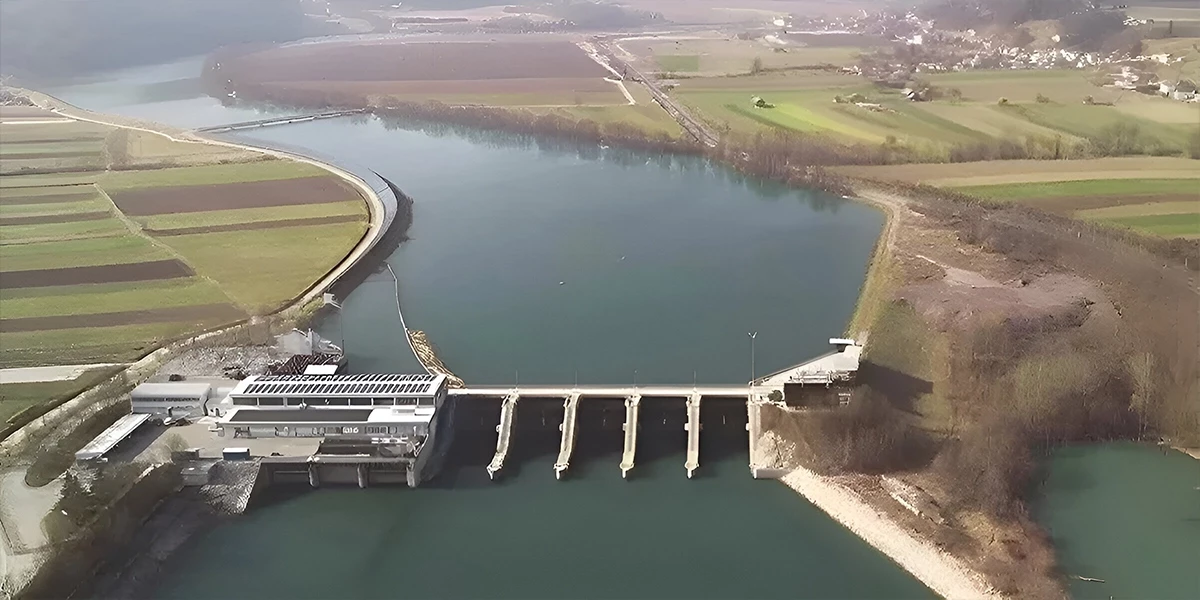
Different water management projects require different types of sluice-gates.
Vertical Lift Sluice Gate
A vertical lift sluice gate moves upward and downward to control water flow. It is widely used in canals, reservoirs, and wastewater facilities because of its simple and reliable design.
Slide Gate
A slide gate moves along vertical guides and provides effective flow control in industrial and municipal water systems.
Rising Spindle Gate
In a rising spindle gate, the spindle moves upward as the gate opens. This design allows operators to easily identify the gate position.
Non-Rising Spindle Gate
This type uses a fixed-position spindle and is suitable for locations where installation space is limited.
Radial Gate
Radial sluice gates use a curved structure that rotates around a fixed point. They are commonly used in large hydraulic projects where high flow control capacity is required.
Applications of Sluice Gates
The versatility of a sluice gate makes it useful in many sectors.
Irrigation and Agriculture
Farmers and water management authorities use sluice-gates to distribute water through irrigation canals. They help ensure that agricultural fields receive the correct amount of water.
Dams and Reservoirs
Sluice gates play an important role in controlling reservoir levels and managing water discharge from dams.
Flood Management
During extreme weather conditions, sluice gates help control excess water and reduce flood risks.
Wastewater Treatment
Treatment plants use sluice-gates to manage the movement of wastewater between different processing areas.
Industrial Facilities
Industries rely on sluice-gates for cooling water systems, drainage control, and process water management.
Benefits of Using Sluice Gates
A properly designed sluice gate provides several advantages:
-
Precise control over water flow
-
Reliable operation under different conditions
-
Long operational life
-
Reduced water wastage
-
Easy maintenance
-
Improved safety in hydraulic systems
Their ability to handle different water pressures and flow requirements makes them a preferred choice for engineers worldwide.
Importance of Sluice Gates in Modern Water Management
With increasing challenges related to water conservation, flood control, and efficient resource management, sluice-gates have become more important than ever.
Modern engineering improvements have introduced automated sluice-gate systems that allow remote monitoring and precise control. These smart systems improve efficiency and reduce the need for manual operation.
By combining strong materials, advanced control systems, and efficient designs, sluice-gates support sustainable water management solutions.
Conclusion
A sluice gate is a critical component in hydraulic engineering that provides effective control over water flow. Through precise adjustment of gate openings, these structures help manage irrigation, flood prevention, industrial processes, and water storage systems.
From small canals to large-scale dam projects, sluice-gates continue to support safe and efficient water management. Their durability, flexibility, and reliable performance make them an essential technology for modern infrastructure and future water control challenges.